Ghana’s External Debt Still Unpaid — Analysts Say Ato Forson’s Calculation Misleading as Government Negotiates Payment Plans
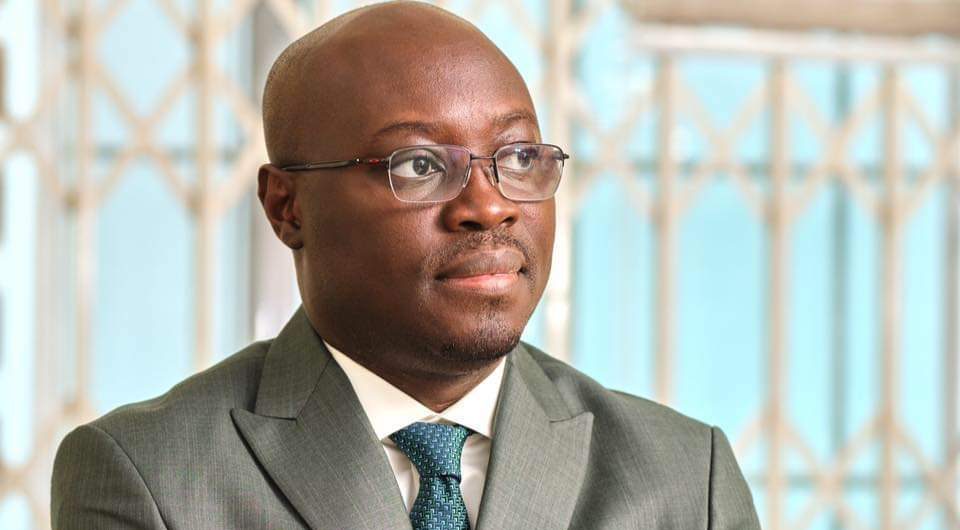
Despite recent claims made in Parliament about Ghana’s public debt position, economic analysts insist that Ghana’s external debt has not been reduced and remains fully outstanding in dollar terms, pending ongoing negotiations with bilateral and multilateral creditors.
According to economic observers, ranking member on the Finance Committee, Dr. Cassiel Ato Forson, has been quoting Ghana’s external debt using the current low cedi–dollar exchange rate, creating the impression that the debt stock has fallen. Analysts argue that this approach is technically inaccurate, because external debt is denominated in US dollars, and therefore the true value has not changed unless the debt is actually paid.
External Debt Still the Same — Only the Cedi Value Has Shifted
Government’s external obligations remain the same as originally contracted. What is changing is the local currency equivalent, due to fluctuations in the cedi.
“Multiplying the original dollar debt by today’s exchange rate does not mean Ghana has paid anything,” one analyst noted. “It simply reflects currency movement — the principal and interest owed to creditors are still intact.”
Ghana is still in the middle of a debt repayment negotiation process with bilateral creditors under the G20 Common Framework, which includes China and the Paris Club. No principal payment has been made yet; instead, creditors have offered temporary relief while long-term payment terms are being agreed.
Domestic Borrowing Surges — Ato Forson Accused of Ignoring Local Debt Explosion
What has raised eyebrows is the revelation that Dr. Ato Forson plans to borrow about GH¢137 billion in domestic debt this year alone, a figure critics say could place tremendous pressure on Ghana’s banking sector and future generations.
Economists say this dramatic reliance on local borrowing contradicts arguments that external debt is the biggest threat to the economy.
“If you are borrowing GH¢137 billion domestically in one year, it becomes clear that the domestic debt crisis is deepening, not improving,” another analyst argued.
Negotiations, Not Payments, Are What Exist in Ghana’s Budget
Government currently has no confirmed payments on external debt. Instead, the 2025 Budget provides for:
- Negotiated payment timelines for external creditors
- Interest deferrals and restructuring agreements yet to be finalised
- No cash settlements of foreign debt until agreements are completed
This means Ghana’s external debt figure remains unchanged in dollar terms — and only a new repayment schedule, once agreed, will determine when payments begin.
Conclusion
Ghana’s true public debt position remains a concern. But experts insist the public must understand the difference between exchange-rate calculations and actual debt repayments.
External debt is still owed. Negotiations are ongoing. And the focus, according to analysts, should now shift to the rapid rise in domestic borrowing, which is quietly tightening the economy far more than acknowledged.
www.nsemgh.com