Minority in Parliament Alleges $214m GoldBod Loss, Calls for Full Probe
The New Patriotic Party (NPP) Minority Caucus in Parliament has sounded the alarm over what it describes as significant financial losses incurred through Ghana’s gold trading arrangements under the Gold-for-Reserves programme, urging urgent transparency and accountability from the Bank of Ghana (BoG) and the Ghana Gold Board (GoldBod).
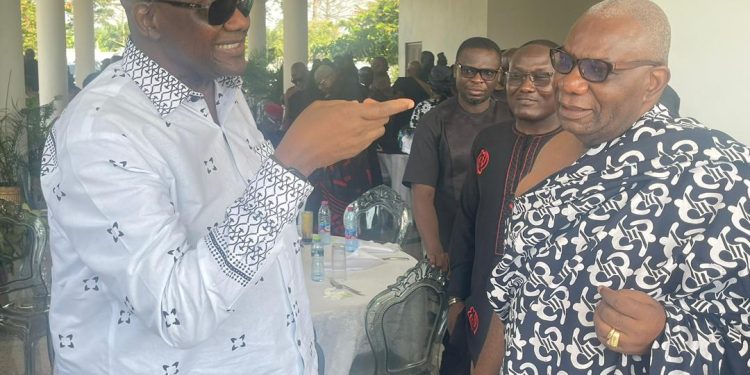
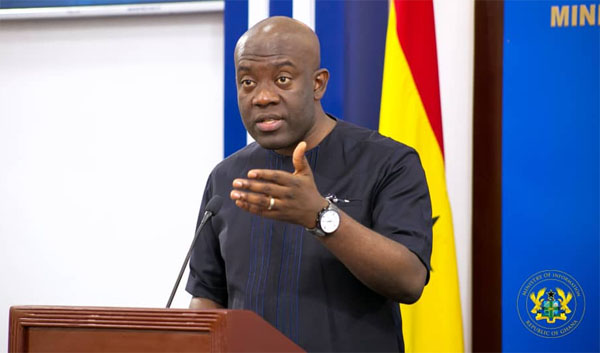
At a press briefing held in Parliament House on Monday, Kojo Oppong Nkrumah, Ranking Member on Parliament’s Economy and Development Committee, accused management of BoG and GoldBod of attempting to “downplay the scale” of losses linked to the programme, which was highlighted in a recent International Monetary Fund (IMF) report.
The IMF’s assessment flagged US $214 million in losses associated with the Domestic Gold Purchasing Programme (DGPP) — which has been jointly implemented by the Bank of Ghana and GoldBod — describing it as a potential downside risk to Ghana’s macroeconomic stability.
Minority: Losses Could Hit $300m by Year-End
Oppong Nkrumah told journalists that the figure cited by the IMF does not fully capture the severity of the situation, suggesting that total losses could escalate to about US $300 million by the end of 2025 if current trends persist.
The caucus also described the reported losses not as a market fluctuation, but as the result of poorly designed operational structures within the programme. They argued that GoldBod’s trading model, particularly its handling of foreign exchange conversions, transfers risk onto the Bank of Ghana and, by extension, the state.
According to the Minority, the system compels GoldBod to purchase gold at global market prices — and at competitive exchange rates — but returns the proceeds offshore at interbank rates that are weaker, effectively imposing an exchange-rate loss on the central bank.
Calls for Parliamentary Inquiry and Accountability
The NPP lawmakers called for the establishment of a bipartisan parliamentary inquiry empowered to subpoena relevant contracts, financial records, pricing formulas, and all stakeholders involved in the scheme.
“We need a full account of fee structures, pricing formulas, criteria for aggregator selection, and foreign exchange arrangements,” Oppong Nkrumah said, warning that without such scrutiny, public confidence in Ghana’s management of its gold resources could erode further.
The Minority also questioned structural transparency, including why a single private company has been licensed as the sole aggregator in key segments of the gold trade — a point which they say raises concerns over monopolistic practices and potential conflicts of interest in the sector.
BoG and GoldBod Deny Loss Claims
Responding to the allegations, GoldBod’s Chief Executive, Sammy Gyamfi, has rejected claims that the institution has recorded losses, saying the assertions are based on misunderstandings of the Board’s operations. He said GoldBod is on track to post at least a GH¢600 million surplus for the 2025 financial year based on unaudited figures.
Mr. Gyamfi has also stated he will provide a comprehensive response and clarification on the reported losses on January 5, 2026, following the Minority’s press conference.
Debate Intensifies Amid Economic Stakes
The Majority in Parliament has dismissed the Minority’s claims as misleading and politically motivated, arguing that the so-called losses are merely transactional costs inherent to gold trading operations. They maintain that statutory accountability mechanisms, including audit and parliamentary review, remain in place and will provide clarity in due course.
The unfolding debate comes amid broader public and institutional scrutiny over Ghana’s gold trade strategy, its impact on foreign exchange reserves, and potential implications for economic stability as the year draws to a close.