Why has the US attacked Caracas and captured Venezuela’s president?
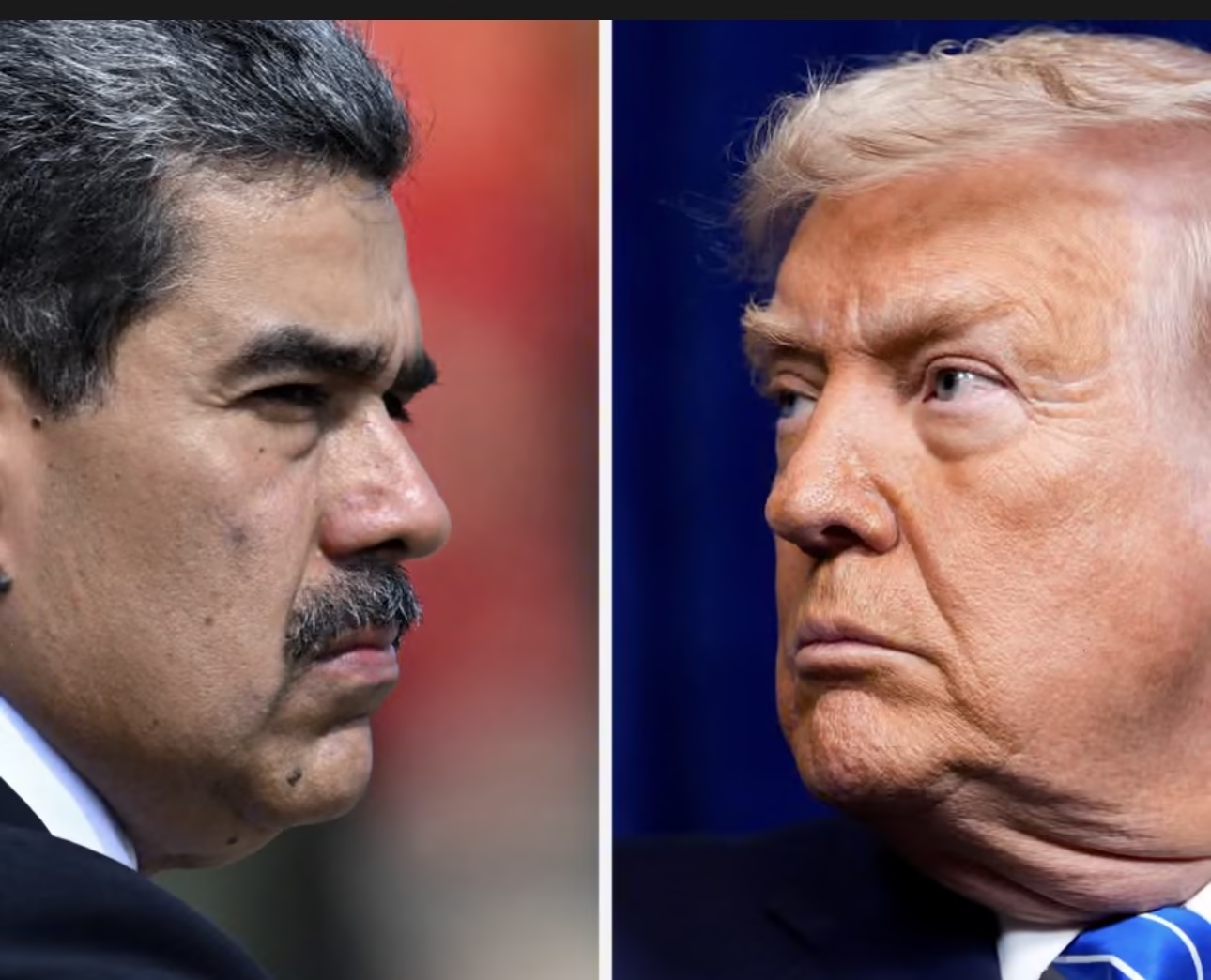
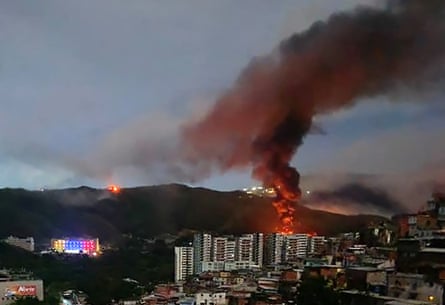
Overnight on Friday, the US carried out airstrikes across Venezuela, with explosions rocking the capital, Caracas, before dawn. Shortly afterwards, Donald Trump announced that US forces had captured the Venezuelan president, Nicolás Maduro, and his wife, Cilia Flores, and flown them out of the country.
The US attorney general, Pam Bondi, said they would face trial in New York on charges of involvement in narco-terrorism. A fresh indictment was issued on Saturday.
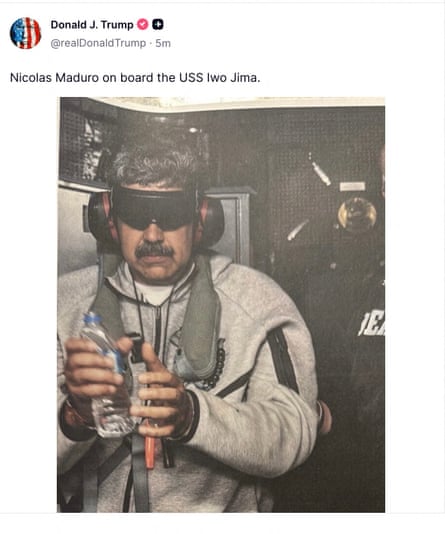
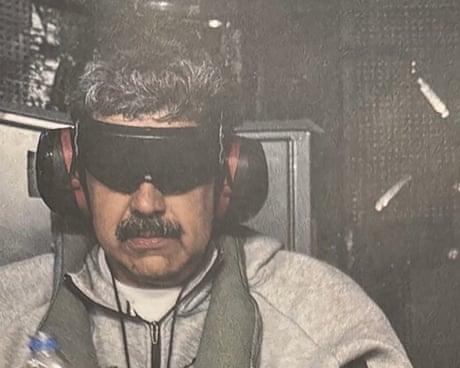
Trump later posted a picture on his Truth Social platform with the caption “Nicolas Maduro on board the USS Iwo Jima”.
The stunning attack and unprecedented capture of a sitting president follow months of an intense US pressure campaign against Venezuela. Since September, the US navy has amassed a huge fleet off the Venezuelan coast and carried out airstrikes against alleged drug-trafficking boats in the Caribbean and the Pacific and seized Venezuelan oil tankers. At least 110 people have been killed in the strikes on boats, which human rights groups say could amount to war crimes.
It was the largest, most direct US action in Latin America since the 1989 Panama invasion. The lightning operation stunned the international community, allies and adversaries of the US alike, which were taken aback by the brazen interference in a foreign country.
At a Mar-a-Lago news conference, Trump said that the US would “run the country” until a leadership transition can take place, and that US oil companies would go into Venezuela, bragging that “no nation in the world could achieve what America achieved”.
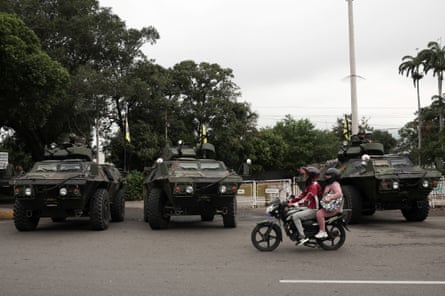
The bombardment of Venezuela and the capture of Maduro is a serious and dramatic escalation of the US campaign. The future of Venezuela’s ruling regime remains uncertain. Despite Trump’s statements that the US will decide the fate of the country, the Venezuelan military appears to remain in control of the country and its military assets.