

EU to End Passport Stamps for Non-EU Travellers with New Digital Border System
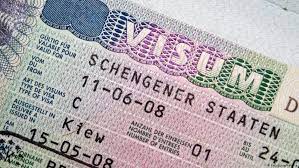
The European Union is set to modernise how travellers from outside Europe cross its external borders by replacing traditional passport stamps with a fully digital system known as the Entry/Exit System (EES). The phased rollout began in October 2025 and will be completed by 10 April 2026, after which passport stamps will generally be phased out for non-EU visitors.
Under the new system, third-country nationals — including travellers from Ghana, the United States, the UK, and other non-EU countries — will have their entry and exit data recorded electronically each time they cross the external borders of the Schengen Area. This includes biometric information such as fingerprints, facial images, passport details, and the date and place of travel.
How the EES Changes Travel Procedures
Traditionally, passport control officers stamp passports to show legally authorised stays in Europe. However, this method does not allow border authorities to automatically track whether a visitor has overstayed their permitted time. The new EES will:
- Digitally record travellers’ entry and exit details in a central EU database;
- Replace the need for manual passport stamps once fully implemented;
- Help authorities detect overstays, identity fraud, and strengthen border security; and
- Support self-service automated border control gates for faster processing.
Implementation Timeline
The system was first activated at some EU border points on 12 October 2025, with a rollout scheduled to continue in stages at airports, land borders, and seaports until 10 April 2026. During this transition period, some travellers may still receive manual passport stamps in locations where the digital system isn’t yet fully operational.
Who Is Affected?
The EES applies to non-EU nationals (often called third-country nationals) who enter the Schengen Area — a passport-free zone comprising 29 European countries, including most EU states as well as Iceland, Liechtenstein, Norway, and Switzerland. The system affects travellers whether they need a short-stay visa or are visa-exempt, provided their stay is for up to 90 days within a 180-day period.
While the EES will replace passport stamps once fully in place, travellers are advised to keep careful records of their border crossings during the transition period to avoid overstaying unintentionally.
What This Means for Travellers from Ghana
Ghanaian citizens visiting the EU/Schengen area for short stays will experience new border checks that include biometric registration. Once the system is fully operational after 10 April 2026, traditional ink stamps in passports will be largely replaced by this digital record.
As part of a broader digital shift in EU border management, the EES is separate from the upcoming ETIAS travel authorisation system, which is expected to introduce a mandatory online travel authorisation for visa-exempt visitors by late 2026.