

Ato Forson Defends Economic Stability Amid GHS 17 Billion Domestic Borrowing for Salaries
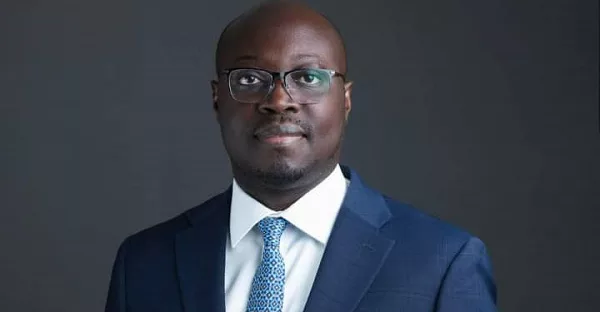
Finance Minister Dr. Cassiel Ato Forson has sparked national debate after affirming that Ghana’s key economic indicators are improving, while simultaneously resorting to approximately GHS 17 billion in domestic borrowing to finance public sector salaries.
The development has raised critical questions among economists, policy analysts, and the general public: If the economy is stabilizing, why does government still need to borrow heavily to meet basic obligations like wages?
Government’s Position: Stability with Constraints
According to the Finance Minister, Ghana’s macroeconomic indicators—including inflation trends, exchange rate stability, and fiscal consolidation—are showing positive signs of recovery following recent economic challenges.
Officials argue that:
- Inflation is gradually declining
- The cedi has experienced relative stability
- Revenue mobilization efforts are improving
- Fiscal discipline is being enforced under ongoing reforms
However, despite these improvements, short-term liquidity constraints remain a major hurdle.
Why Borrow to Pay Salaries?
Economic experts explain that the issue lies not necessarily in long-term economic performance, but in cash flow timing and structural fiscal pressures.
1. Revenue vs. Expenditure Mismatch
Government revenues—mainly from taxes—do not always arrive at the same time salaries are due. This creates temporary funding gaps.
2. Legacy Debt Burden
A significant portion of government revenue is committed to servicing existing debts, leaving limited funds for recurrent expenditures such as salaries.
3. IMF Programme Restrictions
Under Ghana’s ongoing IMF-supported programme, government spending is tightly controlled. This limits flexibility, even when indicators appear to improve.
4. Narrow Tax Base
Ghana continues to face challenges with domestic revenue generation, meaning government often relies on borrowing to bridge gaps.
Domestic Borrowing: A Strategic Choice?
The government’s decision to borrow domestically rather than externally is seen by some analysts as a safer short-term strategy, aimed at:
- Avoiding exchange rate risks
- Reducing dependence on foreign creditors
- Managing debt within the local financial system
However, critics warn that excessive domestic borrowing can:
- Crowd out private sector investment
- Increase interest rates
- Slow economic growth
Public Reaction and Political Pressure
The announcement has triggered mixed reactions:
- Critics argue that borrowing to pay salaries signals underlying economic weakness
- Supporters insist it is a temporary measure during economic recovery
- Labour groups are concerned about long-term sustainability
Opposition voices have also questioned the consistency between government’s positive economic narrative and its reliance on borrowing.
The Bigger Picture
Experts emphasize that economic indicators alone do not tell the full story. While macroeconomic stability is improving, fiscal liquidity and structural reforms remain ongoing challenges.
A senior economist in Accra noted:
“You can have improving indicators, but still face cash flow problems. The real test is whether revenue growth can sustainably cover recurrent expenditure like salaries.”
Conclusion
The situation highlights a critical phase in Ghana’s economic recovery—where progress is evident, but financial pressures persist.
As government continues its reform agenda, the key question remains:
👉 Can Ghana transition from borrowing for survival to generating enough revenue to sustain its obligations independently?
Reporting by NSEMGH Economic Desk