

Domfe: aggressive BoG interventions not a sign of economic resilience
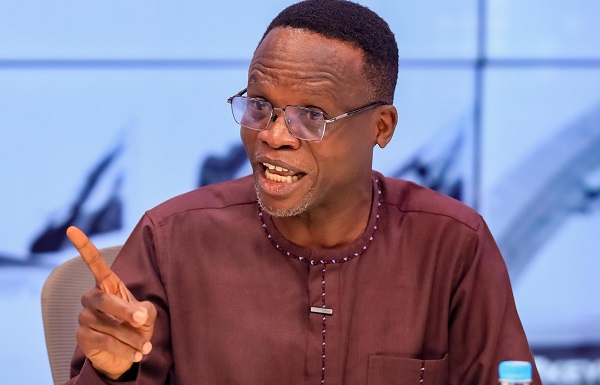
A policy analyst has questioned the recent strengthening of the cedi, arguing that aggressive interventions by the Bank of Ghana risk masking underlying economic weaknesses.
George Domfe, president of the Africa Policy Lens, said the central bank’s increased supply of foreign currency had created what he described as an “artificial” appreciation of the local unit.
“You are not the one controlling it. You are using somebody’s currency to shore up your local currency,” he said in an interview on Asaase Radio’s The Forum programme on Saturday.
Domfe warned that such interventions, if not backed by structural reforms, could expose the economy to renewed volatility.
“If something happens and you are not able to come to the market to supply more of those currencies, then it means your currency is going to have problems. That means your economy is weak,” he said.
The cedi has strengthened sharply in recent months, moving from around 14.9 per dollar to about 10.3 following what Domfe described as sustained foreign exchange injections after the new central bank leadership took office.
He argued that while central bank intervention is not unusual, the scale of recent actions was higher than normal.
“When you use aggressive interventions to shore up your currency, you have not built a resilient economy,” he said.
Domfe said long-term currency stability depends on reducing import demand and boosting domestic production, including in sectors such as agriculture and manufacturing.
“If people are demanding dollars, what do they use the dollar for?” he asked. “If government begins to produce what we import… demand for dollars goes down and the cedi naturally becomes stronger.”
He also pointed to strong global gold prices as a key factor supporting Ghana’s foreign reserves, warning that any downturn could reverse current gains.
“Today gold is doing so well… If gold comes down… the inflows that are boosting reserves will reduce,” he said, adding that sustained dollar supply at current levels may not be feasible.
Domfe further challenged claims by President John Dramani Mahama that the economy is resilient, citing unemployment pressures.
“An economy that people don’t have jobs… over 500,000 are running around to join the security services… tells you how weak the economy is,” he said.
source:asaaseradio