“Scrap the ‘Temporary’ Fuel Tax That Never Left – Mounting Pressure on Government Over 2015 Petroleum Levy”
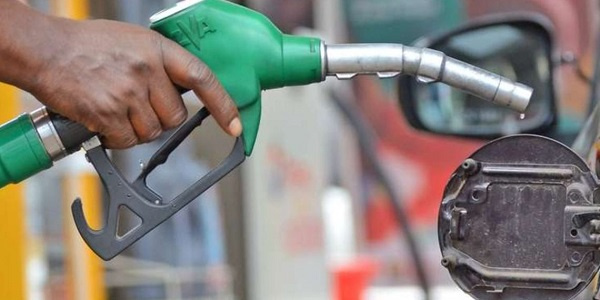
Growing public frustration is mounting against the government over calls to abolish the petroleum levy introduced in 2015, with critics arguing that the policy has outlived its purpose and continues to burden ordinary Ghanaians amid rising living costs.
The levy, introduced under the Energy Sector Levies Act (ESLA) in 2015, was initially justified as a necessary intervention to address Ghana’s crippling energy sector debts and stabilize power supply during a period marked by frequent outages, popularly known as “dumsor.” However, more than a decade later, many stakeholders say the levy has effectively become a permanent fixture—contrary to its perceived temporary intent.
Civil society organizations, transport unions, and sections of the business community are now calling for an urgent review—or outright scrapping—of the levy. According to them, the continued imposition of the tax has significantly contributed to high fuel prices, which in turn ripple across transportation fares, food prices, and general cost of living.
“Ghanaians were made to believe this was a short-term measure to fix a crisis. The crisis has eased, but the tax remains. It is time for government to be honest and relieve citizens,” a policy analyst in Accra told Nsemgh.
Fuel prices in Ghana have seen periodic increases over the years, driven by a combination of global oil price fluctuations, exchange rate pressures, and domestic taxes. Industry players argue that taxes and levies alone make up a substantial portion of the pump price—sometimes exceeding 20%—raising questions about the sustainability of current pricing structures.
Transport operators, who often pass on fuel cost increases to commuters, say the levy continues to worsen their operational costs. “Every time fuel goes up, we are blamed for increasing fares, but the real issue is the heavy taxes embedded in fuel pricing,” a commercial driver in Accra lamented.
Despite these concerns, government officials have maintained that revenues from the petroleum levy remain critical in servicing legacy debts within the energy sector and financing ongoing infrastructure commitments. The Energy Sector Levies Act (ESLA) Plc was also established to manage and securitize these revenues.
However, transparency advocates argue that there is limited public clarity on how much has been recovered over the years and whether the original debt burden has been sufficiently reduced to justify the continued collection of the levy.
Economic experts warn that failure to review such taxes could have broader implications for economic recovery and public trust. “At a time when households and businesses are struggling, government must prioritize efficiency and fairness in taxation. Scrapping or reducing outdated levies could stimulate economic activity,” an economist noted.
As pressure builds, many are watching closely to see whether policymakers will respond to the growing calls or maintain the status quo.
For now, one question continues to echo across the country: If the crisis that justified the levy is over, why is the levy still here?