Iran Closes Strait of Hormuz Until U.S. Lifts Blockade
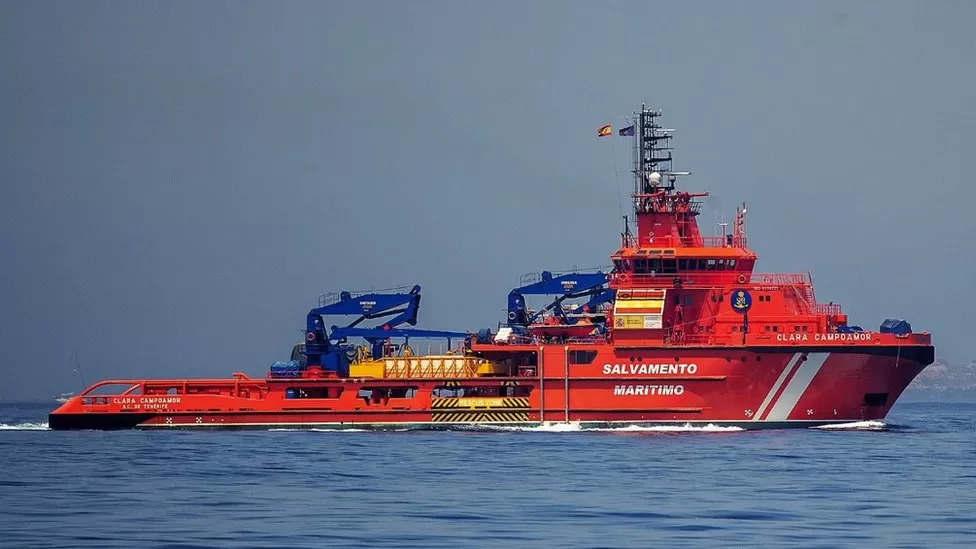
Iran has announced the renewed closure of the Strait of Hormuz, one of the world’s most critical oil shipping routes, declaring that the waterway will remain shut until the United States lifts its ongoing naval blockade on Iranian ports.
The decision marks a sharp escalation in tensions between Tehran and Washington, following weeks of military confrontation and failed diplomatic efforts. Iranian authorities said the strait is now under “strict management and control” by its armed forces, warning that any unauthorized vessels could face interception or attack.
Escalating Confrontation
The closure comes in response to a U.S.-led blockade imposed after peace talks between the two countries collapsed earlier in April. The United States has maintained that the blockade will continue until a long-term agreement is reached, while Iran has condemned the move as “maritime piracy” and a violation of international norms.
Reports indicate that Iranian naval forces have already taken aggressive actions in the area. Several commercial vessels attempting to pass through the strait were reportedly fired upon, though no casualties have been confirmed.
Strategic and Global Impact
The Strait of Hormuz is a vital chokepoint for global energy supply, carrying roughly 20% of the world’s oil and liquefied natural gas trade. Any disruption in the waterway has immediate consequences for international markets.
Following Iran’s announcement, energy markets reacted with volatility, as fears of prolonged supply disruptions resurfaced. Shipping activity has also declined sharply, with several vessels turning back due to security concerns.
A Pattern of Openings and Closures
This is not the first time Iran has restricted access to the strait during the ongoing crisis. The waterway had briefly reopened during a temporary ceasefire, raising hopes for de-escalation. However, those hopes quickly faded as both sides hardened their positions.
Uncertain Path Forward
Diplomatic efforts to resolve the standoff are ongoing, with some countries expressing optimism about potential negotiations. However, no firm timeline has been announced, and tensions remain high.
For now, Iran insists that the Strait of Hormuz will stay closed until the U.S. lifts its blockade, setting the stage for continued geopolitical uncertainty with significant implications for global trade and energy security.