

Ghana’s Parliament to Debate Reintroduced Anti-LGBTQ+ Bill Amid Renewed Controversy
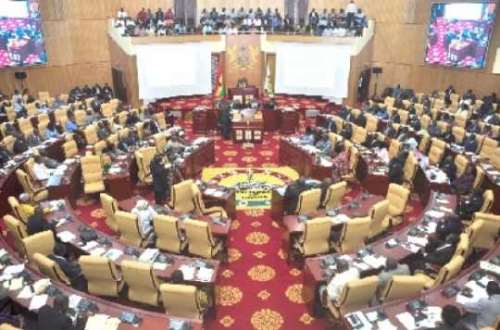
Ghana’s Parliament is set to resume deliberations today on the reintroduced Human Sexual Rights and Ghanaian Family Values Bill, widely known as the anti-LGBTQ+ bill. The legislation, which lapsed in 2024 after failing to receive presidential assent, has been reintroduced by a group of Members of Parliament (MPs) and is now poised for renewed debate.
The bill seeks to criminalize same-sex relationships, advocacy for LGBTQ+ rights, and the formation of LGBTQ+ organizations. It proposes penalties including imprisonment for individuals engaging in same-sex acts, promoting LGBTQ+ activities, or identifying as LGBTQ+. The legislation also includes provisions that could impact media freedom and civil society operations, raising concerns among human rights advocates.
The reintroduction of the bill has sparked significant debate within Parliament. Some MPs argue that the bill reflects Ghanaian cultural and moral values, while others caution against potential human rights violations and international repercussions. The Speaker of Parliament, Alban Bagbin, has emphasized the need for thorough scrutiny of the bill, urging MPs to consider both the legal implications and the broader societal impact.
President John Dramani Mahama, who succeeded Nana Akufo-Addo, has expressed support for the principles underpinning the bill but has indicated a preference for it to be introduced as a government-sponsored initiative rather than a private member’s bill. This stance has led to discussions about the appropriate legislative process and the role of the executive in shaping such significant legislation.
Human rights organizations, both domestic and international, have voiced strong opposition to the bill. They argue that its provisions violate fundamental rights, including freedom of expression, association, and privacy. Critics also warn that the bill could hinder public health initiatives and strain Ghana’s relationships with international partners.
As Parliament convenes to deliberate on the bill, the nation watches closely. The outcome of these discussions will have profound implications for Ghana’s legal landscape, human rights record, and international standing.
This article was prepared for Nsemgh. For further updates, stay tuned to our coverage.