Gold’s Historic Rally Reshapes Ghana’s Economy as Global Prices Push Past $4,100
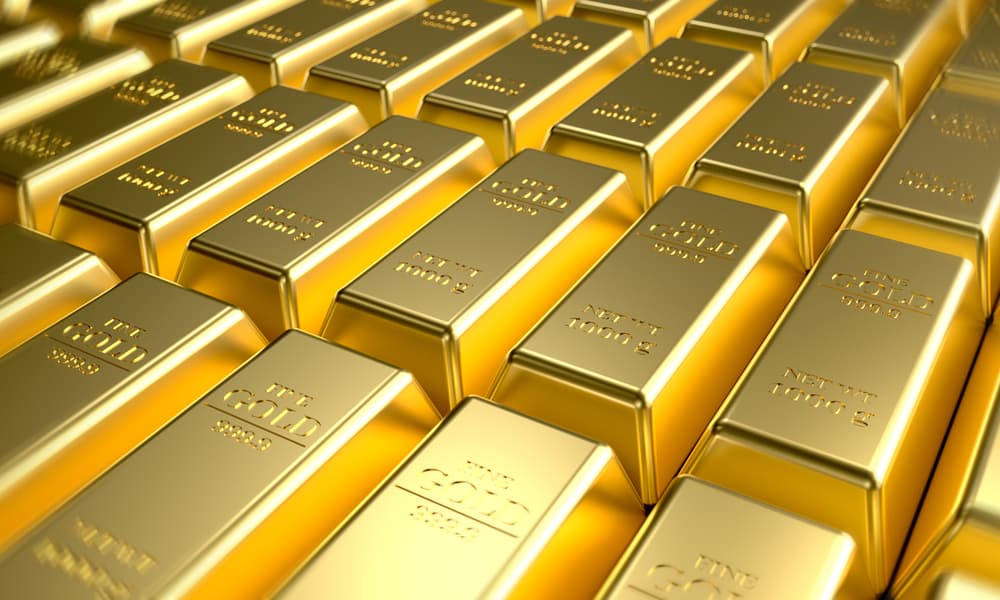
Gold has entered one of its most remarkable runs in decades, and nowhere is the impact more visible than in Ghana, Africa’s leading producer of the precious metal. As international prices push toward $4,200 an ounce, the rally is reshaping government revenue, reserve buffers, and the fortunes of small-scale miners across the country.
Global Prices on a Tear
International gold prices climbed toward $4,200 per ounce this week, extending a rally triggered by softer-than-expected United States jobs numbers. The world’s biggest economy added just 57,000 jobs in June, far below forecasts, prompting traders to scale back expectations of further Federal Reserve interest rate hikes. A weakening US dollar, easing oil prices, and steady central bank buying have combined to keep gold firmly in favour as a safe-haven asset.
Even after a pullback of roughly 7% over the past month, gold remains about 25% more valuable than it was a year ago — a reminder that despite short-term swings, the metal’s longer arc this year has been overwhelmingly upward. Some forecasters, including J.P. Morgan Global Research, expect prices to average around $6,000 an ounce by the final quarter of 2026, though analysts caution that the path there depends heavily on unresolved geopolitical tensions and the direction of US monetary policy. Other forecasters strike a more cautious tone, warning of a possible pullback later in the year if the Fed’s stance shifts.
Central banks have continued to add to reserves, with roughly 41 metric tons purchased globally in May alone, while demand patterns are shifting geographically — Chinese buying has picked up even as high prices cool appetite in India, traditionally one of the largest consumer markets for gold jewellery.
Ghana Rides the Wave
For Ghana, the rally has translated into extraordinary export earnings. The country closed 2025 with record export receipts of roughly $31 billion, according to Bank of Ghana data, nearly doubling the previous year’s total — a surge driven overwhelmingly by gold. Gold export earnings alone reached close to $20 billion in 2025, up from about $10.3 billion in 2024, comfortably outpacing cocoa and oil to become the country’s dominant foreign exchange earner.
Much of this transformation has been credited to the Ghana Gold Board (GoldBod), established under the Ghana Gold Board Act, 2025 (Act 1140). The Board requires all gold exports to pass through Licensed Gold Exporters, tightening chain-of-custody controls and sharply curbing the smuggling that long drained value from the sector, particularly within artisanal and small-scale mining (ASM).
President John Dramani Mahama has pointed to GoldBod as a central driver of Ghana’s reserve build-up, telling Parliament that the country’s gross international reserves climbed to about $13.8 billion by the end of 2025 — up from $8.9 billion the year before — covering close to six months of imports. Weekly gold purchase targets of roughly 3 tonnes, split between artisanal and large-scale mining sources, now anchor a deliberate strategy to accumulate gold-backed reserves and support the cedi.
The formalisation drive appears to be paying off in production terms too: ASM output has grown sharply, with the sector now supporting over a million direct jobs across rural Ghana, offering an income cushion for communities during agricultural off-seasons.
What It Means Locally
For everyday Ghanaians, the rally has pushed local gold prices to historic highs. A gram of 24-karat gold in Ghana has been trading well above GHS 1,600 in recent months, with bar and jewellery prices climbing in tandem with international benchmarks — though the cedi’s relative stability against the dollar this year has softened some of the local price shock compared to more currency-volatile markets in the region.
Analysts note that while high prices are a boon for exporters and government revenue, they also raise the stakes for policy. Rising prices are drawing more artisanal operators into production, but they are simultaneously increasing pressure on government to capture a fair share of windfall profits without discouraging investment — a balancing act that will likely define mining policy debates through the rest of 2026.
The Road Ahead
With Ghana projecting gold output of around 6.5 million ounces for 2026 and global forecasts pointing toward further price gains later in the year, the country’s fortunes remain closely tied to a market shaped as much by Washington’s interest rate decisions as by activity on the ground in the Ashanti and Western regions. For now, gold continues to underwrite Ghana’s macroeconomic stability, reserve accumulation, and currency resilience — cementing its place as the country’s most consequential export in a generation.
NsemGH will continue to monitor developments in Ghana’s gold sector, including regulatory changes under the Ghana Gold Board and their impact on miners, exporters, and the wider economy.