Fuel ‘Relief’ Not from Government – COMAC CEO Says Industry Is Bearing the Cost
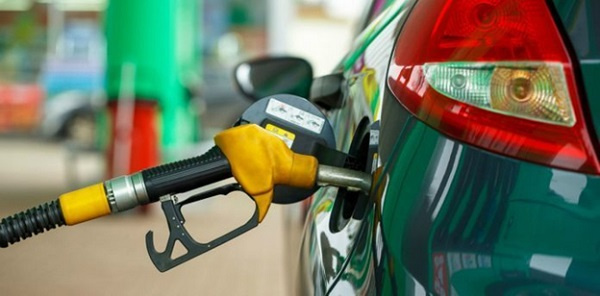
The Chief Executive Officer of the Chamber of Oil Marketing Companies (COMAC) has clarified that the recent drop in fuel prices being experienced across the country is not a direct intervention from government, but rather a burden being absorbed by players within the petroleum industry.
Speaking on the ongoing fuel price adjustments, the COMAC CEO stressed that contrary to public perception, government has not introduced any new subsidy or relief package to cushion consumers. Instead, Oil Marketing Companies (OMCs) are adjusting their margins and operational strategies to keep prices relatively stable in the face of global market pressures.
According to him, the term “fuel relief” being circulated is misleading, as the price reductions are largely driven by industry-led measures, including efficiency adjustments, competitive pricing, and in some cases, reduced profit margins.
“What consumers are seeing is not a government-funded relief. The industry is making internal sacrifices to manage pricing. These are commercial decisions, not policy interventions,” he explained.
The CEO further noted that global crude oil prices, exchange rate fluctuations, and rising import costs continue to put significant pressure on the downstream petroleum sector. Despite these challenges, OMCs have chosen to moderate price increases to avoid passing the full burden onto consumers.
He cautioned that such measures may not be sustainable in the long term if macroeconomic conditions do not improve, especially with the Ghanaian cedi facing volatility against major trading currencies.
Industry observers say the clarification is important in managing public expectations, particularly at a time when fuel pricing remains a politically sensitive issue.
Meanwhile, some consumer advocacy groups have called for greater transparency in fuel pricing mechanisms, urging both government and industry players to clearly communicate how prices are determined and who bears the cost of fluctuations.
As the debate continues, motorists and businesses are likely to remain cautious, with many hoping for more stable and predictable fuel prices in the months ahead.