New anti-LGBTQ Bill weaker, less comprehensive – Baffour Awuah
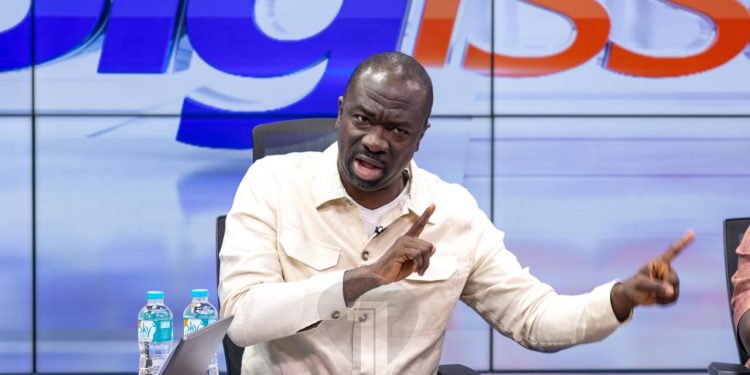
The Member of Parliament for Manhyia South, Nana Agyei Baffour Awuah, has criticised the passage of the Human Sexual Rights and Family Values Bill, 2025, popularly known as the anti-gay bill, describing the legislation as weaker and less comprehensive than the version passed by the previous Parliament.
Parliament on Friday, May 30, passed the bill, which seeks to criminalise LGBTQ activities in Ghana. The new version contains amendments that exempt certain individuals and institutions from sanctions under the law.
Speaking in an interview with Umaru Sanda Amadu on Channel One TV’s The Big Issue on Saturday, May 30, Mr Baffour Awuah questioned the Majority’s support for amendments that the previous government had proposed but were rejected at the time.
According to him, concerns raised by the administration of former President Nana Addo Dankwa Akufo-Addo about aspects of the earlier bill have now been incorporated into the amended legislation.
“This time, the bill came with lots of proposed amendments. The very things the previous government said were of concern, and so should be amended, they now consider it necessary to put forward the amendment. It’s passed today in a much watered-down form,” he asserted.
The Manhyia South legislator accused the Majority of inconsistency, arguing that its position on the bill had changed.
“We are not fighting them. What was good yesterday is good today, and what was bad yesterday should be bad today. They lack principles. Their position has flipped,” he stated.
Mr Baffour Awuah maintained that the bill passed by the Eighth Parliament was more robust and comprehensive.
“In my humble view, what was passed in the Eighth Parliament was a more comprehensive one, which made sure that there was no hole for anybody to escape. It was water-tight,” he said.
He further argued that the amendments could undermine the objectives of the legislation, questioning whether the revised bill still retained the key provisions needed to achieve its intended purpose.
The MP also cited instances in which individuals associated with the LGBTQ community allegedly engaged in advocacy activities, including organising meetings, recruiting others into the movement, erecting billboards and conducting campaigns in different parts of the country.
The Human Sexual Rights and Family Values Bill remains one of the most debated pieces of legislation in Ghana, with supporters arguing that it protects Ghanaian cultural and family values, while critics have raised concerns about its implications for human rights and freedoms.
Background
The anti-LGBTQ+ bill, is one of the most controversial pieces of legislation in Ghana’s recent history. The bill was introduced in Parliament to strengthen existing laws against same-sex relations and to prohibit the promotion, advocacy and funding of LGBTQ+ activities in the country. Before the introduction of the bill, Ghana already had laws criminalising same-sex sexual relations. Section 104 of Ghana’s Criminal Offences Act criminalises what the law describes as “unnatural carnal knowledge,” which has long been interpreted to include consensual same-sex relations between adults. However, supporters of the bill argued that the existing laws were inadequate because they did not directly address LGBTQ+ advocacy, public campaigns, funding, or activism.
The bill was first introduced in Parliament in 2021 as a private members’ bill by a group of lawmakers led by Ningo-Prampram MP Sam George, together with several co-sponsors from both the Majority and Minority sides of Parliament.
The legislation gained support from some religious groups, traditional leaders and conservative organisations who argued that it was necessary to protect Ghanaian cultural, religious and family values. Supporters of the bill insisted that Ghana should resist what they described as growing international pressure to accept LGBTQ+ rights.
The original version of the bill proposed strict penalties for:
* Same-sex sexual relations
* LGBTQ+ advocacy and promotion
* Formation or funding of LGBTQ+ groups
* Public displays of same-sex affection
* Media or educational content perceived to support LGBTQ+ rights
The bill also proposed penalties for individuals or organisations accused of promoting LGBTQ+ activities.
The bill quickly sparked intense national and international debate. Religious organisations, including the Ghana Catholic Bishops’ Conference, the Christian Council, Pentecostal and Charismatic groups, and some Islamic organisations, openly backed the legislation.
On the other hand, human rights groups, legal experts, civil society organisations and international bodies criticised the bill, arguing that it violated constitutional freedoms and fundamental human rights. Several foreign governments, international NGOs and global human rights organisations also expressed concern over the proposed law, warning it could damage Ghana’s international image and democratic reputation.
At various stages of debate, concerns emerged that the bill could affect Ghana’s relations with international development partners. In 2023 and 2024, reports suggested that some international financial institutions and donor partners were closely monitoring developments surrounding the bill. Some analysts warned that passage of the legislation could affect foreign investment, aid relationships and Ghana’s access to some international support programmes.
The bill went through committee review, stakeholder consultations and several debates in Parliament over multiple years. Parliament’s Constitutional, Legal and Parliamentary Affairs Committee received memoranda from religious bodies, legal practitioners, academics, civil society organisations and members of the public. Debates largely centred on constitutional rights, freedom of expression, family values, religious beliefs and Ghana’s international obligations.
In February 2024, Parliament first passed the Human Sexual Rights and Family Values Bill. The legislation was then to be forwarded to former President Nana Addo Dankwa Akufo-Addo for assent.
However, the President did not sign the bill into law immediately. Legal challenges were subsequently filed at the Supreme Court questioning the constitutionality of the bill and the process surrounding its passage.
The legal actions delayed presidential assent.
Some individuals and groups petitioned the Supreme Court, arguing that parts of the bill violated constitutional rights, including freedom of speech, association and equality before the law. There were also arguments over whether Parliament had followed the proper constitutional procedures in passing the bill, particularly concerning financial implications and private members’ bills. The court cases became a major obstacle to the bill becoming law.
In 2025, Parliament reconsidered the legislation and introduced amendments before passing it again on Friday, May 29, 2026.
channelone