Ghana: The Gold Coast That Steals Hearts and Never Lets Go
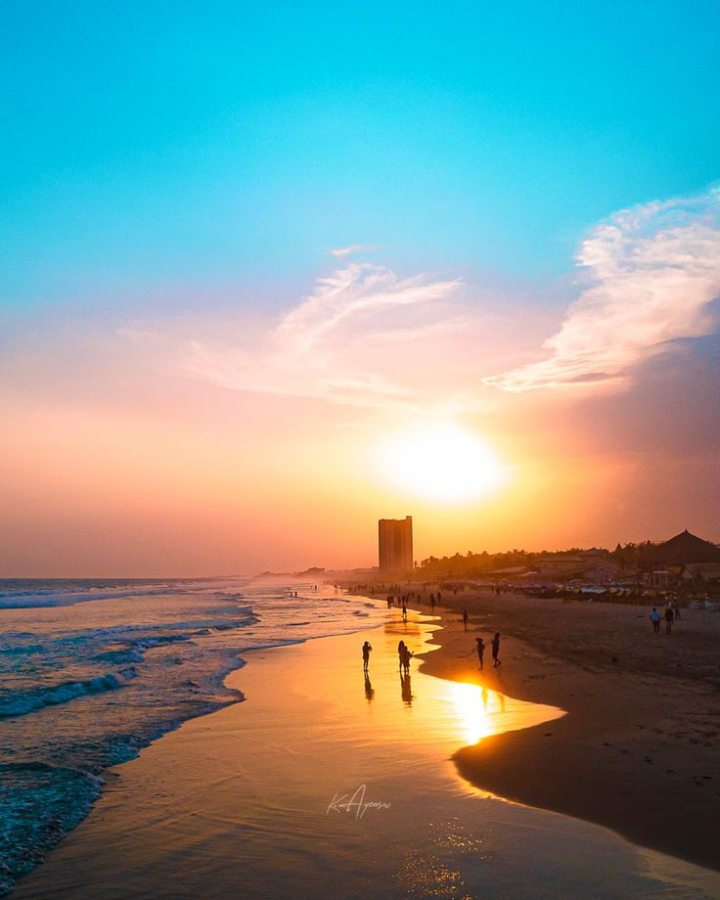
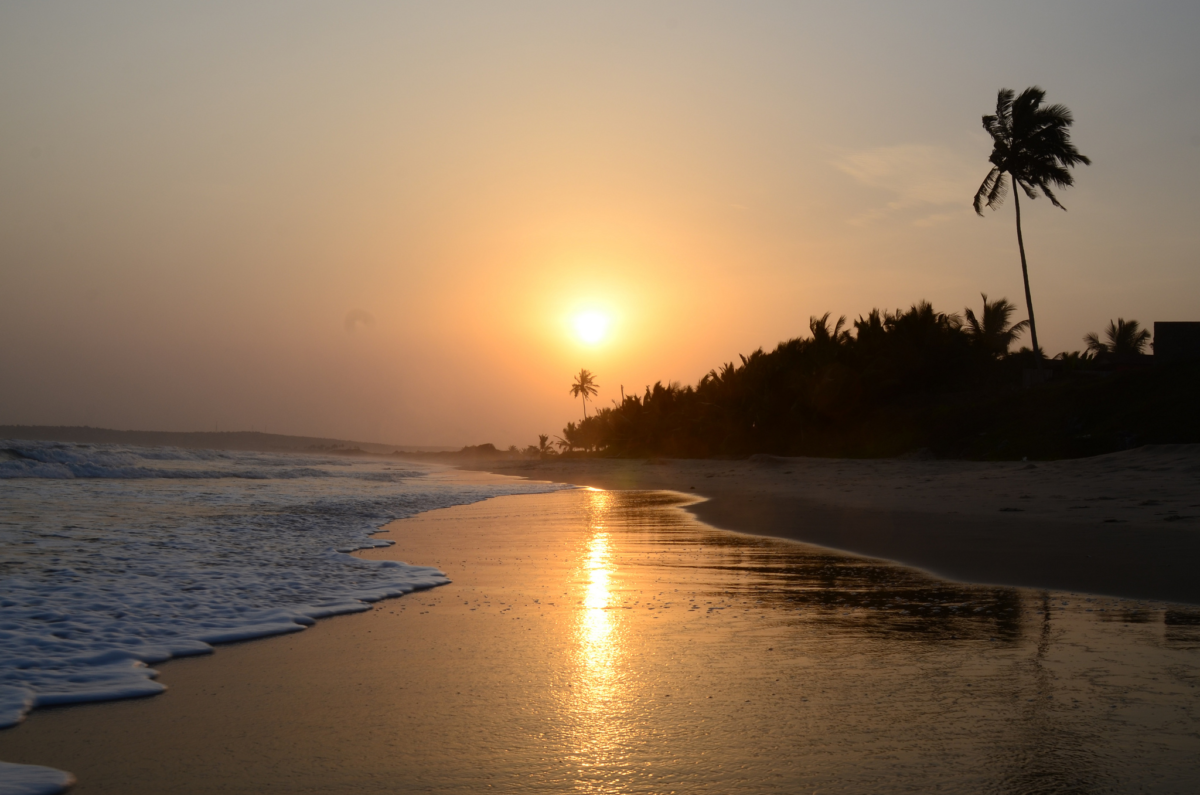
There are countries you visit, and there are countries that stay with you long after the plane has landed somewhere else. Ghana belongs firmly to the second kind. It is a place where the Atlantic Ocean rolls gold at sunset onto white sand, where centuries-old stone castles hold stories heavy enough to silence a room, where rainforest canopies hum with over 300 species of birds, and where a stranger becomes family within the first handshake. This is Ghana — Africa’s Gold Coast, and quite simply, one of the most quietly magnificent countries on Earth.
A Coastline That Doesn’t Just Impress — It Moves You
Ghana’s 560 kilometres of coastline, stretching from Aflao in the east to Cape Three Points in the west, is a study in contrasts. In Accra, Labadi Beach hums with life — drumming circles, horseback rides along the shoreline, and golden-hour crowds that turn a Sunday afternoon into something close to a festival. A short boat ride across the Densu River delivers you to the quieter, cleaner shores of Bojo Beach, where the only soundtrack is water lapping against a fishing village that has barely changed in generations.
Further west, Busua Beach is where Ghana lets its hair down entirely — surfers riding modest Atlantic swells, fresh lobster pulled straight from the sea and grilled beachside, and small luxury resorts tucked so close to the water you can hear the tide from your pillow.
Castles That Ask You to Remember
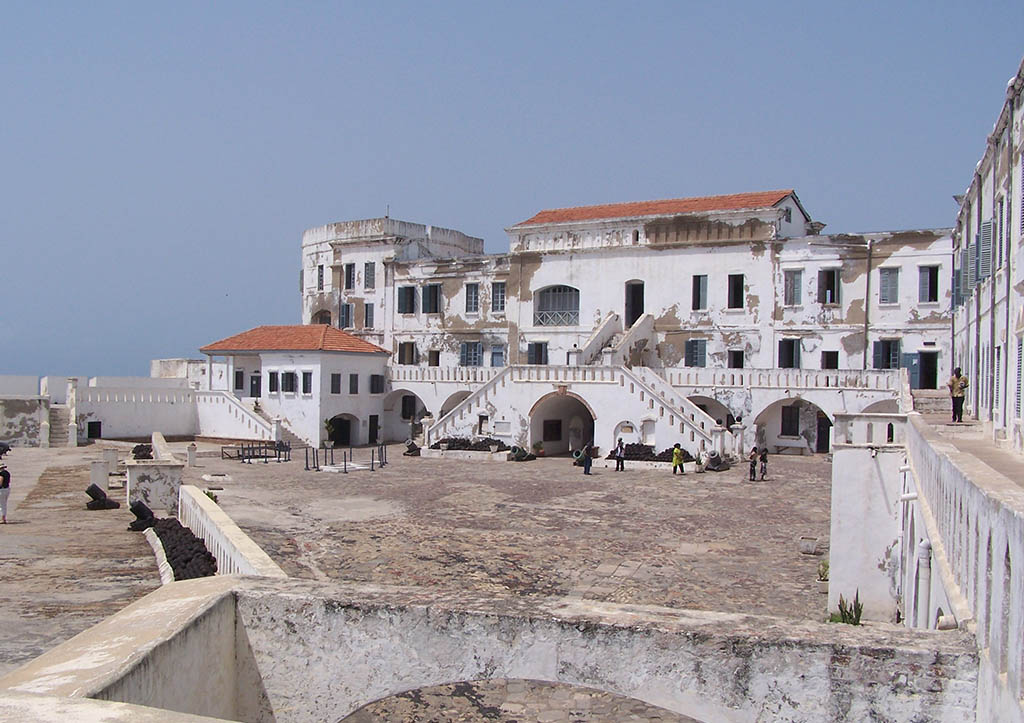
No honest account of Ghana can skip its most profound sites: Cape Coast Castle and Elmina Castle, both UNESCO World Heritage Sites standing sentinel over the Gulf of Guinea. Cape Coast Castle, originally built by Swedish traders in 1653 and later expanded under British control, is where the story of the transatlantic slave trade is told not through textbooks, but through the cold stone of the dungeons themselves and the haunting weight of the Door of No Return — symbolically renamed the Door of Return by the Ghanaian government, an act that transforms a site of unimaginable pain into one of homecoming.
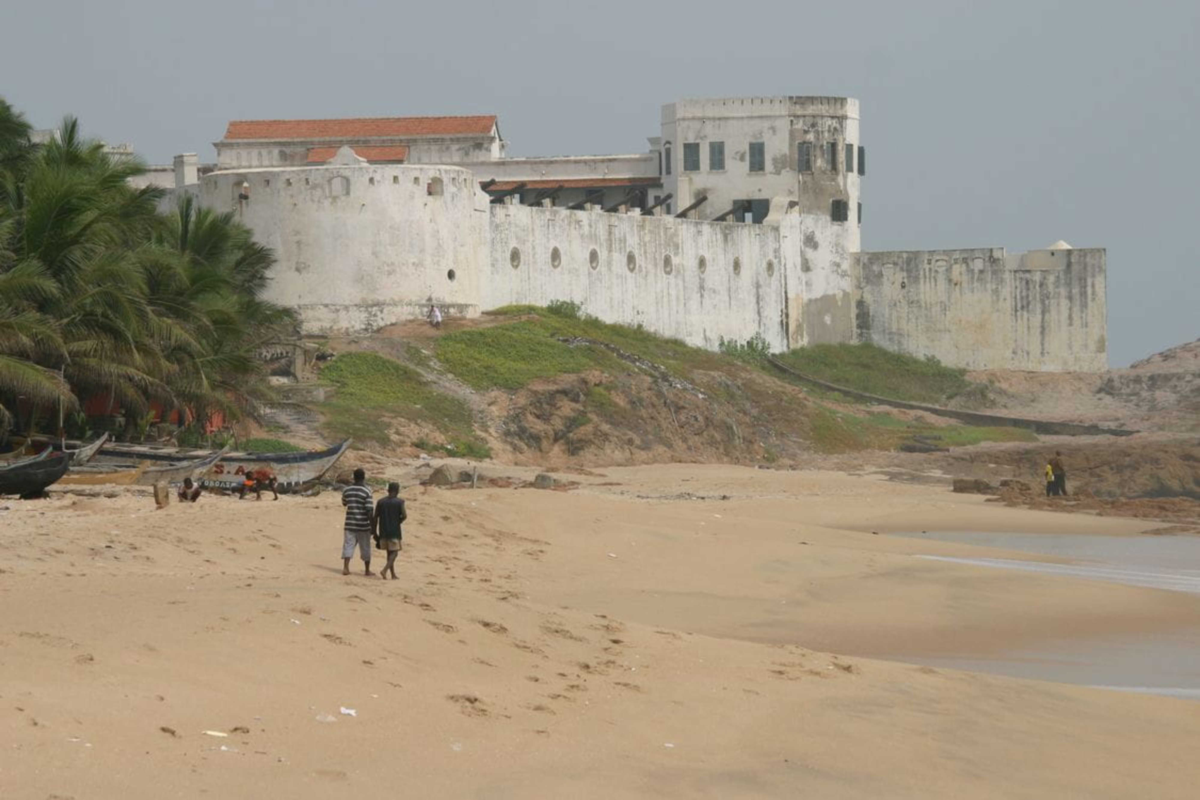
For diaspora travellers especially, that journey often continues to Assin Manso, where visitors receive a traditional Akan name from local elders in a ceremony many describe as among the most personally affecting experiences of their entire trip. It is Ghana’s singular gift to the world: an open door, not for a single “Year of Return,” but as a permanent, living invitation. Every year since 2019, that invitation has deepened — most strikingly in January 2026, when Ghana made global headlines for granting citizenship to American content creator IShowSpeed following his tour of the continent, a gesture that captured just how wide that door has swung.
Walking Among the Treetops
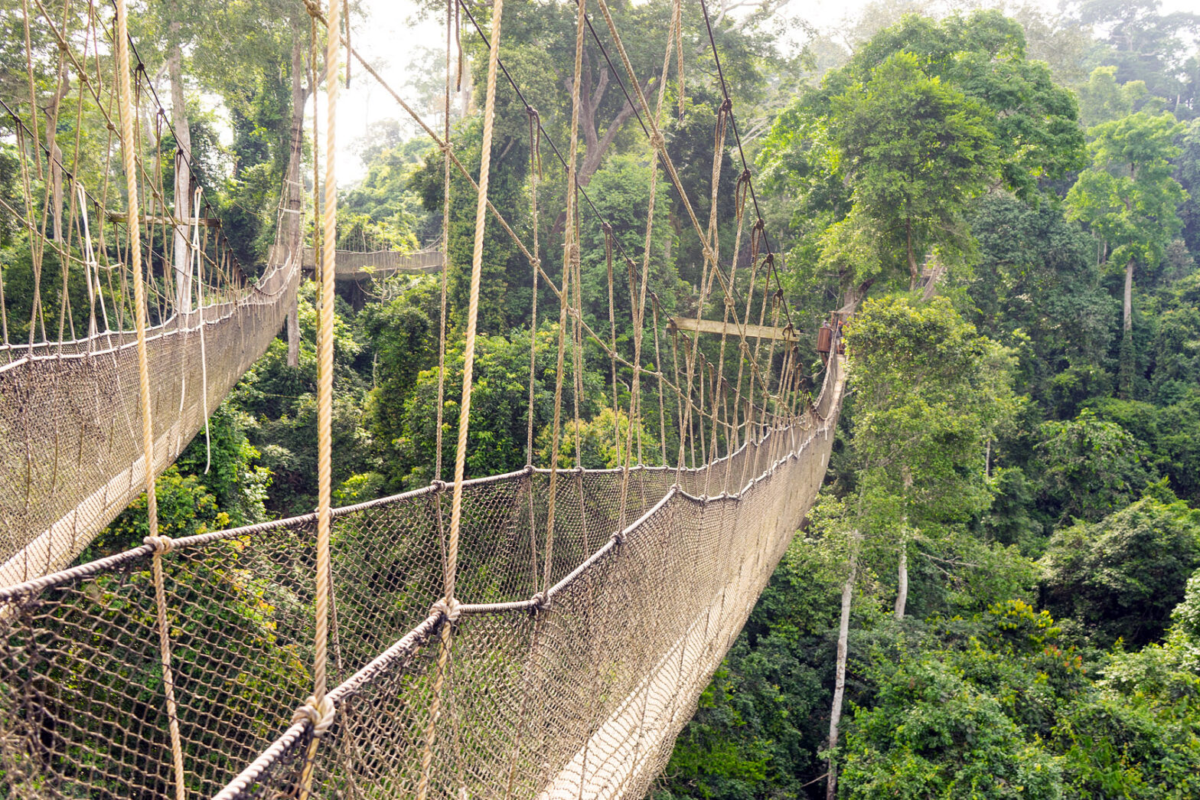
If the castles ask you to remember, Kakum National Park asks you to simply feel alive. Suspended 30 metres above the rainforest floor, its famous canopy walkway lets visitors cross seven rope-and-wood bridges strung between ancient trees, monkeys and butterflies moving through the canopy below and above in equal measure. It is equal parts thrilling and meditative — a little frightening on the first bridge, utterly addictive by the last. Bird lovers can spend entire mornings here; the park is home to over 300 recorded species.
Where the Wild Things Are
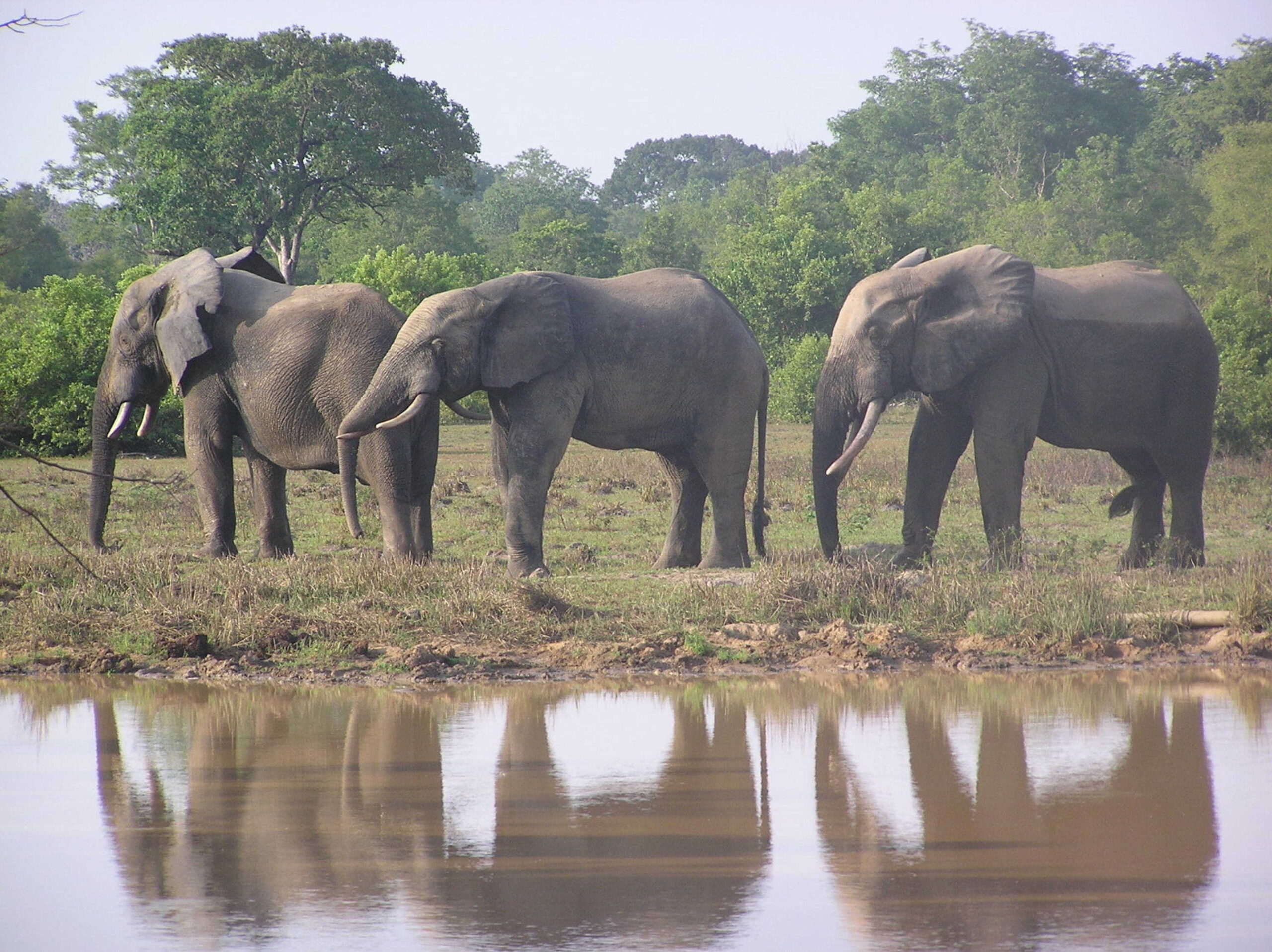
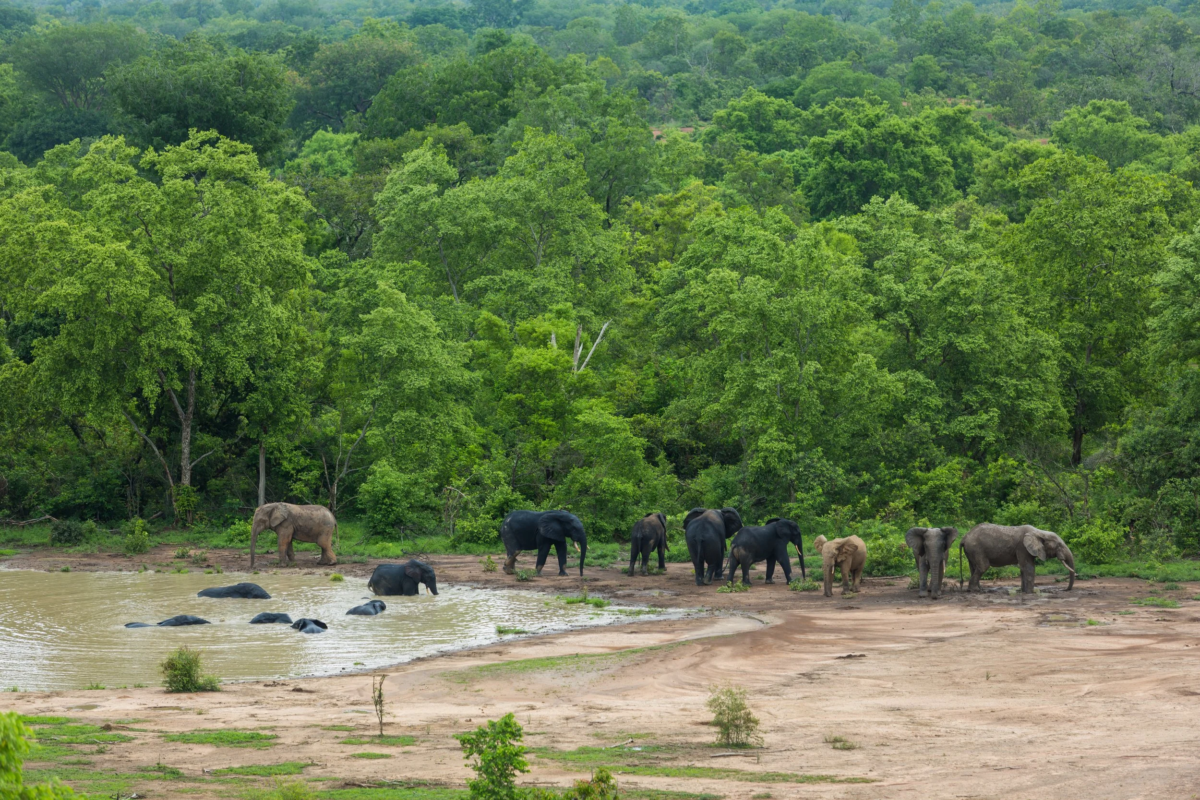
Head north toward Tamale and the landscape transforms entirely. Mole National Park, Ghana’s flagship safari destination, offers something genuinely rare on this side of the continent: the chance to walk — not just drive — within close, respectful distance of wild elephants, antelope, and warthogs roaming freely across open savanna. Pair it with a visit to the ancient mosques of Larabanga, and northern Ghana offers a cultural and natural experience utterly distinct from the coast, yet just as unforgettable.
A Capital Coming Into Its Own
Accra itself has quietly become a story in its own right. Beyond the historic charm of Jamestown’s fishing community and the treasures of Makola Market, the city has begun attracting international attention for its design and creative energy — one global design publication recently shortlisting Accra for “City of the Year” recognition, citing its growing network of cultural hubs and creative spaces. The Kwame Nkrumah Memorial Park and the W.E.B. Du Bois Centre offer essential grounding in the intellectual and political history that shaped modern Ghana and, in many ways, modern pan-African thought itself.
Waterfalls, Lakes, and Quiet Corners
Venture into the Volta Region and Ghana slows its pace entirely. Wli Falls, the country’s tallest waterfall, tumbles through a misty forest reserve alive with birdsong, while Lake Volta — one of the largest man-made lakes on Earth — offers boat cruises and island-hopping for those chasing serenity over spectacle. Near Koforidua, twin waterfalls sit inside a sacred forest reserve, connecting nature tourism directly to Ghana’s indigenous spiritual traditions.
A Table Worth Traveling For
No account of Ghana is complete without its food. Jollof rice cooked over an open flame, waakye wrapped in banana leaves, banku with grilled tilapia and pepper sauce so good it becomes a personality trait — Ghanaian cuisine is warm, generous, and deeply proud of itself, exactly like the people who serve it.
Why Now Is the Moment
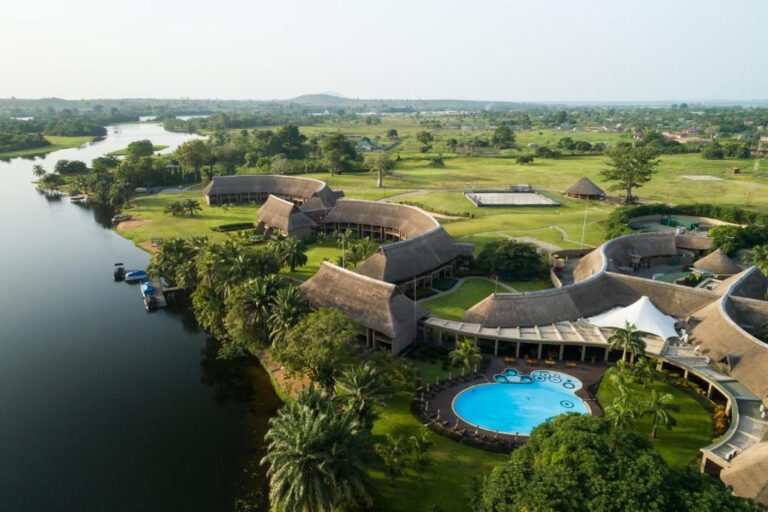
Ghana has spent years quietly building the case that it is one of the safest, most stable, and most welcoming destinations on the continent — a rare long-standing democracy in the region, with low crime rates and a hospitality culture that consistently surprises first-time visitors. A modern e-Visa platform now streamlines entry for most nationalities, while African nationals enjoy visa-free access altogether. Luxury travellers are increasingly discovering five-star properties like the Kempinski Hotel Gold Coast City in Accra, while budget-conscious backpackers continue to find Ghana one of West Africa’s most rewarding and accessible adventures.
The best time to experience it all is during the dry season, from November through April, when clear skies meet 24–30°C coastal breezes — perfect for castle tours by day and beach sunsets by evening.
The Bottom Line
Ghana doesn’t need to shout to be unforgettable. It simply opens its doors — to its beaches, its rainforests, its savannas, its history, and its people — and lets the country do the rest. Ask anyone who has spent even a week here, and they’ll tell you the same thing: Ghana doesn’t just welcome tourists. It makes them fall in love, and it doesn’t let go easily.
nsemgh will continue to spotlight the destinations, culture, and stories that make Ghana one of Africa’s most compelling places to visit.