Building Tomorrow: The Futuristic Architecture Trends Africa Should Be Adopting Now
Africa’s skylines are changing fast. From record-breaking skyscrapers to schools built from clay, the continent’s architects are increasingly proving that “futuristic” doesn’t have to mean imported — it can mean rooted in African materials, climate, and culture while still pushing genuinely new ideas. Here’s a look at what’s rising across the continent, and what Ghana and its neighbours should be paying closest attention to.
Africa’s New Tallest Building
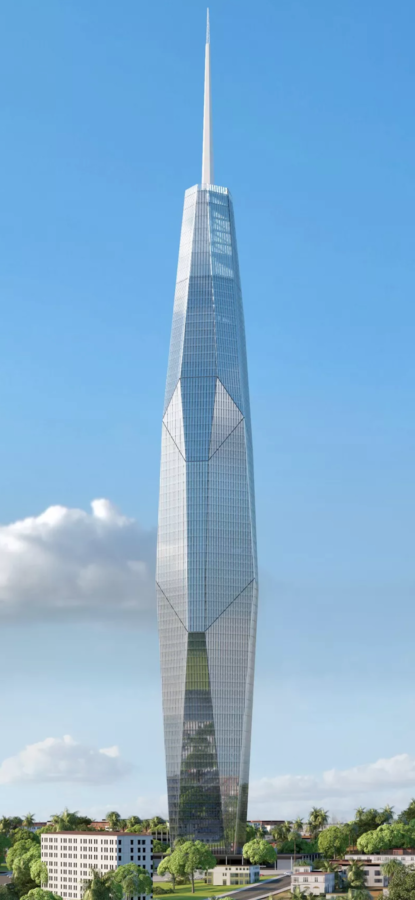
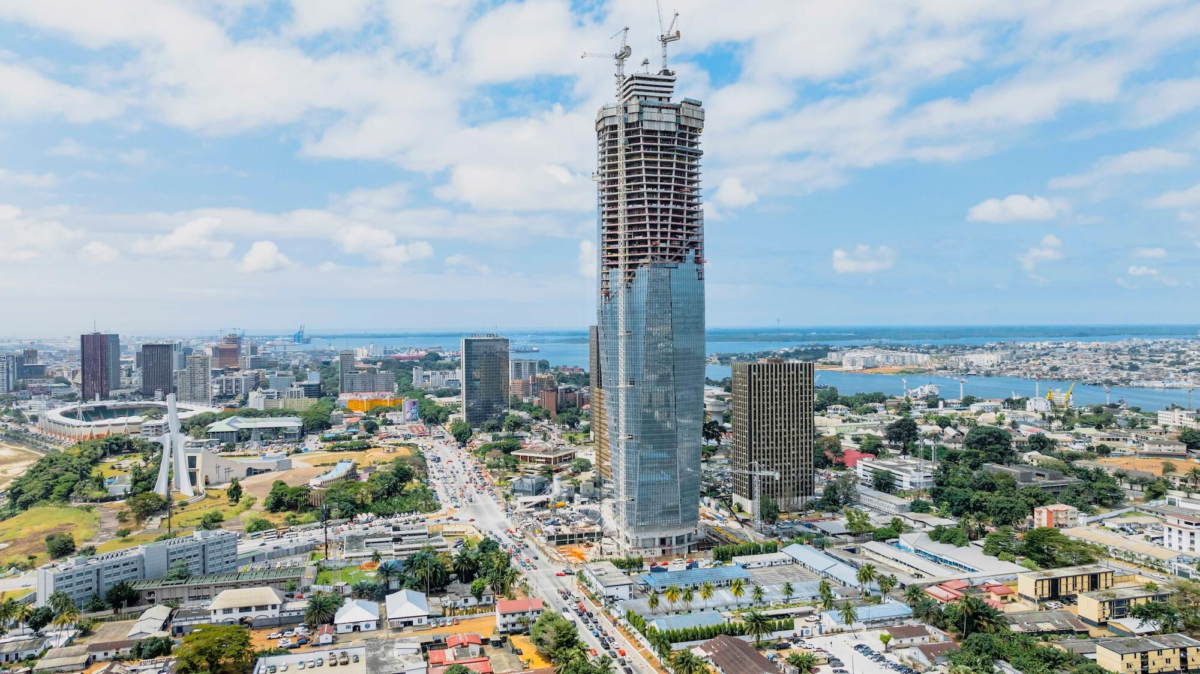
Ivory Coast is on the verge of giving Africa a new record-holder. Tour F, a 1,381-foot, 64-story skyscraper designed by Lebanese-Ivorian architect Pierre Fakhoury, is nearing completion in Abidjan’s administrative district and is set to surpass Egypt’s Iconic Tower as the continent’s tallest building. The project has been part of Abidjan’s urban development plans for more than 50 years, delayed repeatedly by the country’s political upheaval, including civil wars in 2002 and 2010 — making its near-completion today a genuine milestone for West African engineering ambition.
The tower is part of a much bigger transformation underway in Abidjan, which is also planning a rapid transit system set to open in 2028, alongside a forthcoming 1,000-kilometre highway that will connect Ivory Coast to Nigeria via the capitals of Ghana, Benin, and Togo — a corridor that speaks directly to the economic potential Ghana itself sits at the heart of.
Adaptive Reuse: Turning the Old Into the Extraordinary
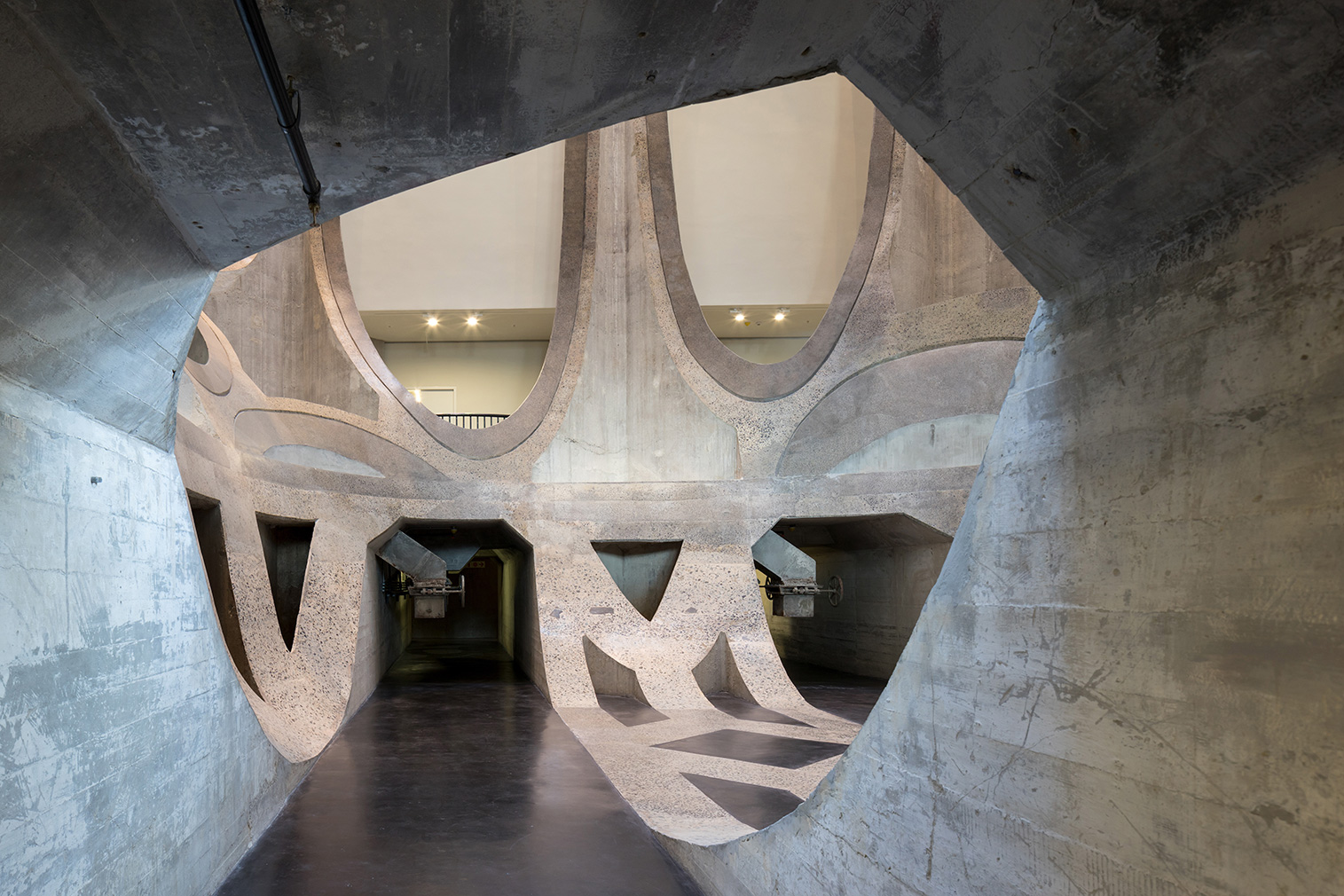
Not all futuristic architecture in Africa involves building from scratch. One of the continent’s most celebrated recent projects, the Zeitz Museum of Contemporary Art Africa (Zeitz MOCAA) in Cape Town, was carved out of a disused grain silo complex at the V&A Waterfront by British architect Thomas Heatherwick. He cut dramatic cylindrical voids into the old concrete structure, creating an atrium often compared to a cathedral — proof that some of the boldest architectural statements can come from reimagining what already exists rather than demolishing it.
This is a trend Ghana, with its own share of ageing colonial-era and industrial buildings, could draw real inspiration from — turning underused structures into cultural landmarks rather than defaulting to teardown-and-rebuild.
Building With What the Land Provides
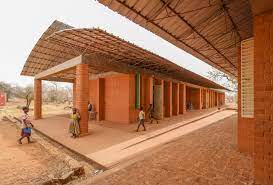
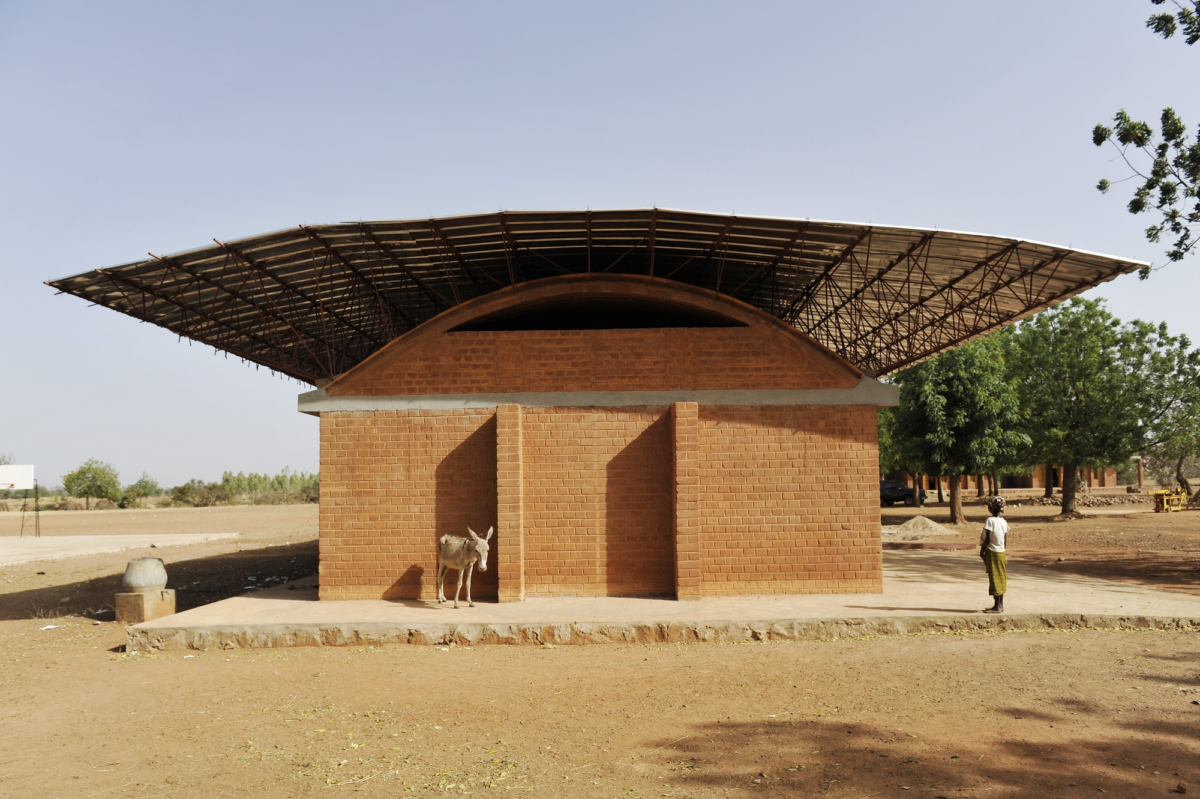
Perhaps the most important lesson from the continent’s leading architects is that “modern” and “local materials” are not opposites. Burkinabé-German architect Diébédo Francis Kéré, who has become one of the most internationally decorated architects working in Africa today, has built entire schools and community centres using locally sourced clay rather than imported steel or timber — taking advantage of clay’s natural insulating properties and its low cost of repair. His primary school in Gando, Burkina Faso, and the Kéré Centre for Earth Architecture in Mopti, Mali, are frequently cited as models for how African architecture can be both cutting-edge and deeply climate-appropriate.
This approach matters enormously for Ghana. As the country’s own building sector wrestles with high costs driven by imported cement, steel, and fittings, locally-sourced material innovation — combined with modern engineering techniques — could offer a genuinely futuristic path forward that is also more affordable and climate-resilient.
What Property Developers Say Is Actually Coming
Beyond individual landmark buildings, architecture firms working across the continent point to a handful of practical trends set to define African construction in the years immediately ahead:
- Modular and prefabricated construction — building components manufactured off-site in controlled factory conditions, then assembled on location. For rapidly growing African cities, this promises faster project completion, lower costs, and better quality control than traditional on-site construction — a potentially significant tool for closing housing deficits like Ghana’s own.
- Biophilic design — architecture that deliberately reconnects people with nature, incorporating greenery, natural light, and organic forms into buildings rather than treating nature as an afterthought.
- Smart building technology — buildings equipped with sensors, automation, and Internet of Things devices that optimise energy use, enhance security, and allow residents to control their environment via smartphone or voice command. This is already becoming standard in ambitious residential developments across South Africa and is likely to spread further north.
- Green building as standard, not optional — solar integration, rainwater harvesting, and natural ventilation are increasingly treated as baseline requirements for new developments rather than premium add-ons.
A Continental Moment for African Design
Africa’s architectural ambitions are also being given a formal platform: the first-ever Pan-African Biennale of Architecture has been announced for 2026, with inaugural curator Omar Degan promising African architects the chance to tell their own stories “under their own terms” rather than through a Western lens. Ghana has its own quiet architectural conversation happening too — even unfinished, abandoned buildings scattered across Accra are increasingly being reframed by designers as “sites of potential” for community reuse rather than eyesores to be demolished.
What Ghana Should Take From This
Taken together, the lessons emerging from across the continent point to a clear direction for Ghana’s own architectural future: build tall and ambitious where it makes sense, but never lose sight of climate-appropriate local materials, smarter and faster modular construction to tackle the housing deficit, and a willingness to breathe new life into existing structures rather than only building new ones. The most exciting African buildings of the coming decade won’t simply copy skylines from Dubai or Shanghai — they’ll be distinctly African in material, climate response, and cultural expression, while still being unmistakably forward-looking.
nsemgh will continue to highlight architectural innovation across Ghana and the wider continent.
Source:
Nsemgh