Charcoal Becomes Ghana’s Biggest Inflation Driver as Prices Surge by 50% – Government Statistician
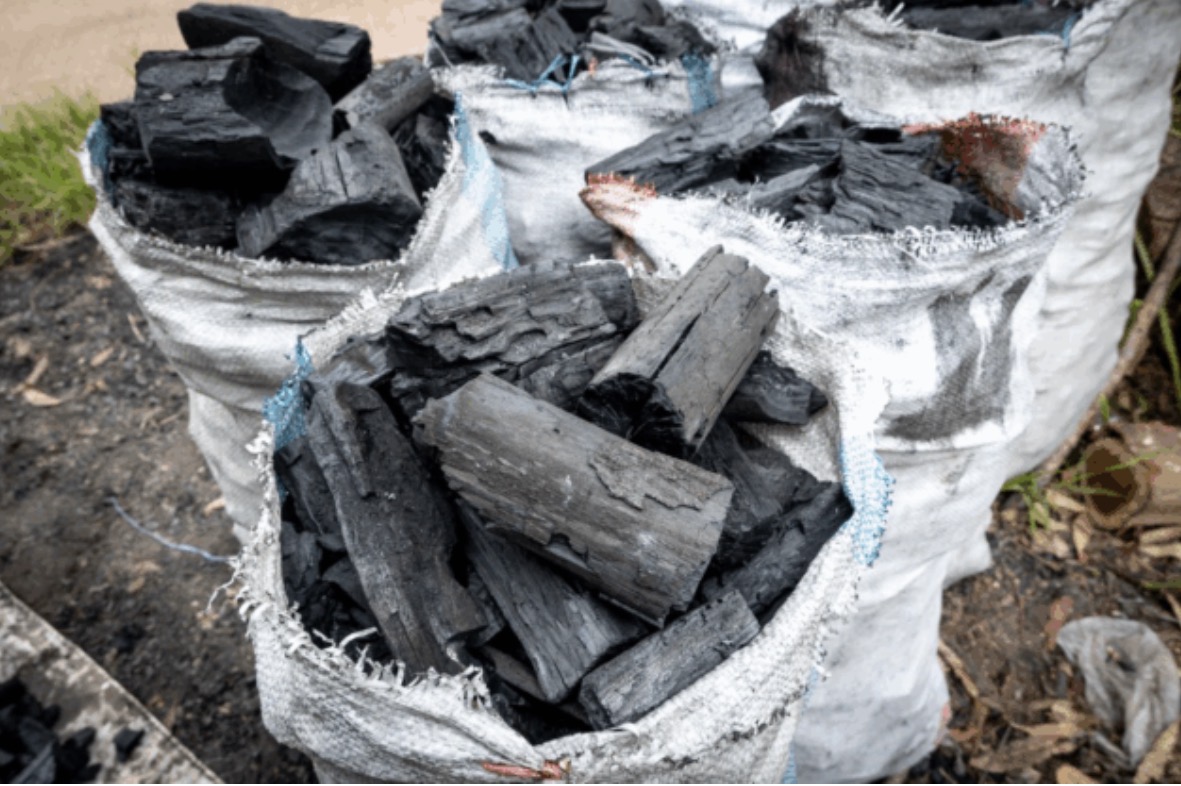
Charcoal has emerged as the single largest contributor to Ghana’s inflationary pressures, recording a staggering 50 percent increase in prices over the past year, according to the Government Statistician.
The sharp rise in charcoal prices highlights the growing cost of household energy across the country, particularly affecting low- and middle-income families who rely heavily on charcoal for cooking and other domestic activities.
Speaking during the latest inflation briefing, the Government Statistician noted that charcoal recorded the highest year-on-year price increase among the items tracked in the Consumer Price Index (CPI), making it the biggest inflation driver in the current reporting period.
The increase has been attributed to a combination of factors, including rising transportation costs, stricter environmental regulations on charcoal production, supply constraints, and increased demand from both urban and rural households.
Economic analysts say the surge in charcoal prices is especially concerning because it directly impacts household expenditure and food preparation costs. Many food vendors and small businesses that depend on charcoal have also been forced to pass on higher operating costs to consumers, contributing to broader inflationary pressures within the economy.
Consumer advocacy groups have called on the government to accelerate efforts to promote affordable alternative energy sources, including liquefied petroleum gas (LPG) and clean cooking technologies, to reduce dependence on charcoal.
Meanwhile, market surveys conducted across several regions indicate that a bag of charcoal now costs significantly more than it did a year ago, placing additional financial strain on households already coping with rising prices of food, transportation, and utilities.
The latest inflation figures underscore the challenges facing policymakers as they seek to stabilize prices while ensuring access to affordable energy for Ghanaian households.
Economists have urged sustained interventions aimed at improving energy access, supporting sustainable fuel production, and strengthening supply chains to ease the burden on consumers and curb inflationary pressures in the months ahead.