Ebola Outbreak Update: Cases Top 1,480 as Global Health Emergency Continues
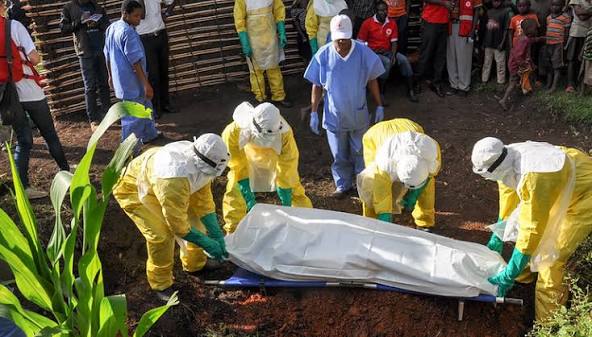
The Ebola outbreak sweeping through the Democratic Republic of Congo and Uganda continues to grow, with confirmed cases now exceeding 1,480 across the two countries, according to the latest World Health Organization data. Here’s where things stand.
The Numbers So Far
As of the start of July, the Democratic Republic of Congo had recorded 1,460 confirmed cases and 452 deaths, while Uganda reported 20 confirmed cases and two deaths, plus one probable case that also proved fatal. The outbreak, first declared in mid-May, is already the largest known outbreak of this particular strain — Bundibugyo virus — on record, and health officials have said it is likely that the true scale of infections exceeds what has been officially confirmed, given weak healthcare infrastructure and ongoing armed conflict in the affected region.
The WHO declared the outbreak a Public Health Emergency of International Concern on May 17, its highest level of alert, citing the “speed and scale” of spread in a remote but densely populated part of eastern DRC that also happens to be a mining zone with high levels of population movement — a combination that has fuelled fears the virus could spread further afield.
Why This Strain Is Especially Difficult to Fight
Unlike the more familiar Zaire strain of Ebola behind most past outbreaks, this epidemic is caused by the Bundibugyo virus, for which there is currently no approved vaccine or specific treatment. That has significantly complicated the response, since the Ervebo vaccine and other tools developed for previous Ebola outbreaks were designed around a different viral species.
The good news is that the response is catching up. On July 2, the WHO added the first diagnostic test for Bundibugyo virus to its Emergency Use Listing, and patient enrolment has begun in a scientific trial aimed at identifying the first effective treatments specifically for this strain. Health authorities have also convened technical advisory groups to evaluate candidate vaccines and therapeutics.
A Response Complicated by Conflict
The outbreak’s epicentre in Ituri, North Kivu, and South Kivu provinces sits in one of the most volatile parts of the DRC. Response teams have faced direct attacks: Red Cross volunteers have died from suspected Ebola while responding in the field, treatment tents have been set aside and burned by angry crowds on more than one occasion, and rebel attacks in the region have killed dozens of people while hampering the broader Ebola response, including at least one reported attack on a burial team.
Uganda’s cases remain concentrated in the capital, Kampala, and have so far stayed epidemiologically linked to transmission originating in the DRC, with a mix of imported infections and secondary transmission among contacts and healthcare workers.
The Case That Reached Europe
The outbreak’s international reach was underscored on June 24 when French authorities confirmed a laboratory-confirmed case in a doctor who had returned from treating patients in the DRC. Separately, an American surgeon who contracted Ebola while working in Ituri province was evacuated to Germany for treatment. European health authorities have maintained that the risk to people living in the EU remains very low, since transmission requires direct contact with a symptomatic patient’s bodily fluids, making importation and onward spread in Europe unlikely.
In the United States, the response has taken a more controversial turn. The Trump administration has moved to restrict entry for travellers who have recently been in the DRC, Uganda, or neighbouring South Sudan, and has floated a plan to quarantine exposed Americans at a facility in Kenya rather than fly them back to the US for treatment — a proposal that has sparked violent protests in Kenya, including in the town of Nanyuki, where the facility would be located. A Kenyan court has temporarily blocked the plan pending further review.
What Health Officials Are Watching Closely
Modelling published by the US CDC has underscored just how much hinges on effective isolation of patients. According to the projections, if a high proportion of patients — around 70% — can be identified and isolated, the chance of the outbreak growing beyond 10,000 cases within three months is low. But with poor isolation rates, the same models suggest a much higher probability of the outbreak reaching tens of thousands of cases, reinforcing why rapid public health action, community engagement, and access to treatment centres remain the priority for responders on the ground.
The WHO has stressed that community engagement will be decisive in bringing the outbreak under control, noting that outbreaks like this are only contained “when communities are engaged in the response.”
The Bottom Line for Ghana and the Region
There are currently no confirmed Ebola cases in Ghana or West Africa linked to this outbreak, and both the WHO and European health authorities continue to describe the risk of international spread beyond Central and East Africa as low, given how Ebola is transmitted. Still, health authorities across the continent are watching developments closely, with the Africa CDC and WHO having jointly launched a continental Ebola response plan to strengthen preparedness across African nations, including surveillance and cross-border readiness measures.
This is a sensitive public health topic. NsemGH will continue to provide updates as the outbreak develops, and encourages readers to rely on official WHO and Ghana Health Service guidance for the latest health advisories.