Italy Suspends Schengen Free Travel With Spain Over Ceuta Migrant Crisis
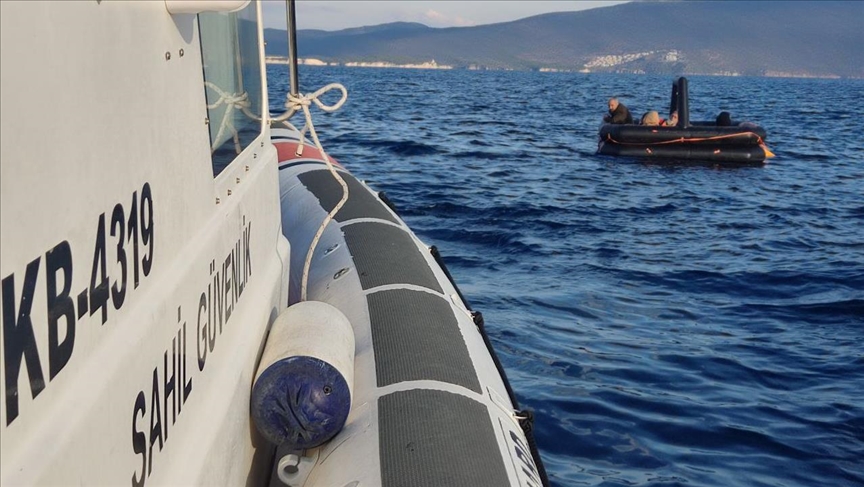
Italy has taken the dramatic step of suspending the EU’s border-free Schengen arrangement with Spain, after a mass surge of migrants into the Spanish North African enclave of Ceuta triggered a fierce political response from Rome.
What Italy Has Actually Done
Italy’s Interior Ministry confirmed it has closed the country’s sea and air entry points to Spain, meaning anyone travelling between the two countries by plane or boat will now need to show a passport rather than move freely as they would under normal Schengen rules. Italy does not share a land border with Spain, so the suspension is specifically targeted at air and maritime travel routes.
Importantly, Italy’s Foreign Minister Antonio Tajani said the measure would not affect broader travel for Spanish and other European citizens coming into Italy generally — this is a targeted suspension of the Italy-Spain Schengen link, not a wider closure of Italy’s borders to Europe as a whole.
The decision was formally approved on Friday at a meeting chaired by Italy’s Interior Minister Matteo Piantedosi, based on assessments from the country’s Committee for Migration Analysis and Border Security.
Why This Happened: The Ceuta Crisis
The trigger was a dramatic surge of migrants into Ceuta, Spain’s enclave on Morocco’s northern coast, with tens of thousands reported to have arrived in just days. Italian Prime Minister Giorgia Meloni called the images coming out of Ceuta “shocking” and publicly urged that Spain be suspended from the Schengen area altogether.
Tajani followed through on that pressure, writing on social media that the temporary suspension was “a necessary decision to protect the security of our citizens and defend Europe’s borders.” Italy also confirmed it had reached an agreement with France to reinforce controls along the existing Franco-Italian land border, to prevent undocumented migrants from using Italy as a route further into Europe.
Spain Pushes Back Hard
Unsurprisingly, the move has infuriated Madrid. Spanish Prime Minister Pedro Sánchez responded directly on social media, arguing that solidarity and empathy may be optional, but respect for European treaties and facts is not. He pointed to Frontex data showing Italy has actually recorded more irregular border entries than Spain between 2021 and 2026, and called for a united European response instead of unilateral action.
Spain’s Foreign Minister José Manuel Albares went further, condemning Tajani’s call for suspension and summoning Italy’s ambassador in Madrid to explain the decision. Spain’s Foreign Ministry also stressed that the Ceuta crisis has nothing to do with a recent regularisation of migrants approved by the Spanish government, arguing the surge was triggered by separate factors.
A Wider European Split
Rather than remaining an isolated Italy-Spain dispute, the row has begun splitting opinion across the EU. By Friday, several other member states — including Finland, the Netherlands, Denmark, the Czech Republic, and Sweden — had moved closer to Italy’s position. Finnish Interior Minister Mari Rantanen said bluntly that Spain had failed to protect the Schengen area’s external border, calling the situation unacceptable.
The European Commission has tried to strike a calming tone. Commissioner for Home Affairs Magnus Brunner said there are no signs of onward movement toward mainland Europe or other member states, and noted that the Schengen Borders Code contains specific provisions that apply to Ceuta given its unique status. EU Commission President Ursula von der Leyen has also pledged support for Spain, assigning commissioners to help coordinate with Frontex and Moroccan authorities on the crisis.
The Bigger Picture
The Schengen Area allows passport-free travel across 29 European countries, but member states retain the right to temporarily reintroduce border controls on security or public-order grounds — the legal basis Italy is relying on here. Still, a suspension specifically targeting a fellow EU member state, rather than a response to a security threat like terrorism, marks an unusually confrontational use of that provision.
With Spain rejecting the justification for the move, other EU states taking sides, and Brussels attempting to manage the fallout, the Ceuta crisis has rapidly evolved from a migration emergency on Europe’s southern edge into a genuine test of unity within the Schengen system itself.
Source:
nsemgh
Conversation (0)
- Be the first to share your thoughts!
You must be logged in to comment on this article.
Log In / Register