Scottish Town Turns to Migrants to Reverse Decades of Population Decline
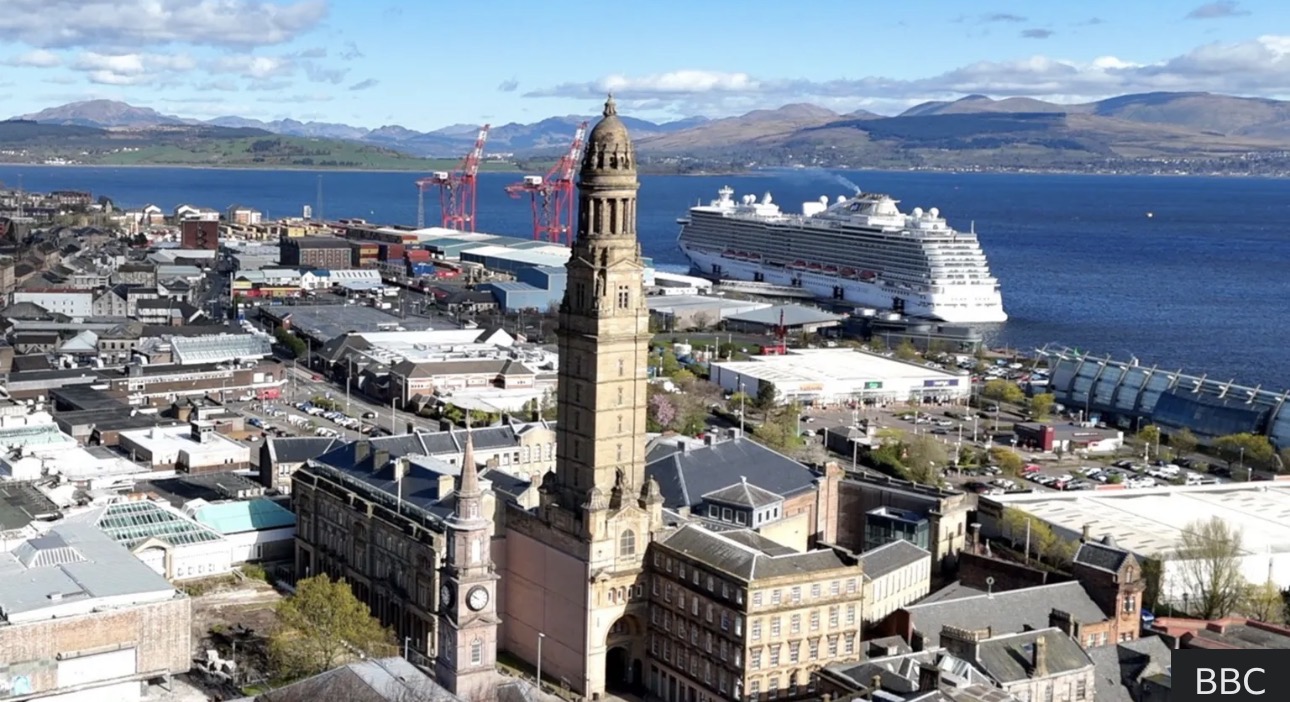
While several communities across the United Kingdom are debating how to reduce immigration, the Scottish town of Greenock is taking a different approach by encouraging migrants and refugees to settle permanently in the area.
Greenock—sometimes misspelled as “Greencook”—is a historic port town and the administrative centre of Inverclyde Council in western Scotland. The council believes attracting new residents could help reverse decades of population decline, protect public services and strengthen the local workforce.
Inverclyde’s population has fallen by about 22,000 people since 1981, largely because of industrial decline, an ageing population and younger residents relocating to Glasgow and other cities in search of jobs and opportunities.
However, recent figures suggest the decline may be slowing. Inverclyde’s population reportedly increased from approximately 78,780 in 2023 to 78,880 in 2024—the area’s first recorded growth in nearly five decades. The increase has partly been attributed to the arrival of people from overseas, including Ukrainians, Syrians and other refugees.
The number of people moving into Inverclyde from abroad has also reportedly tripled in recent years, reaching approximately 750 annually since 2023. Council projections previously warned that the area’s population could fall by another 13% by 2040 without intervention. The Times
Under its repopulation strategy, Inverclyde Council wants legal migrants and people already granted refugee status in the UK to consider establishing their homes in Greenock and neighbouring communities. Support includes access to housing, English-language education and community integration services.
The initiative does not mean Greenock controls UK immigration or can independently issue visas. Immigration remains the responsibility of the UK government. The council’s role is to attract and support people who already have a lawful right to live and work in the country.
Local authorities hope newcomers will fill employment gaps, establish businesses, enrol children in local schools and contribute to the tax base needed to sustain healthcare, education, transport and other essential services.
Greenock was once a major centre for shipbuilding and sugar refining, earning the nickname “Sugaropolis.” Its population reached more than 80,000 during its industrial peak but had declined to 42,870 by Scotland’s 2022 census.
Although supporters see migration as an important part of Greenock’s revival, they acknowledge that population growth must be accompanied by employment opportunities, affordable housing and investment in public services.
Greenock’s approach demonstrates how migration can be viewed not only as a challenge but also as a possible solution for towns struggling with depopulation, labour shortages and an ageing population.
Source:
Nsemgh
Conversation
- Drop your opinion below.
You must be logged in to comment on this article.
Log In / Register