Ghana’s Food Basket Under Pressure as Inflation Ticks Up to 5.3% in June
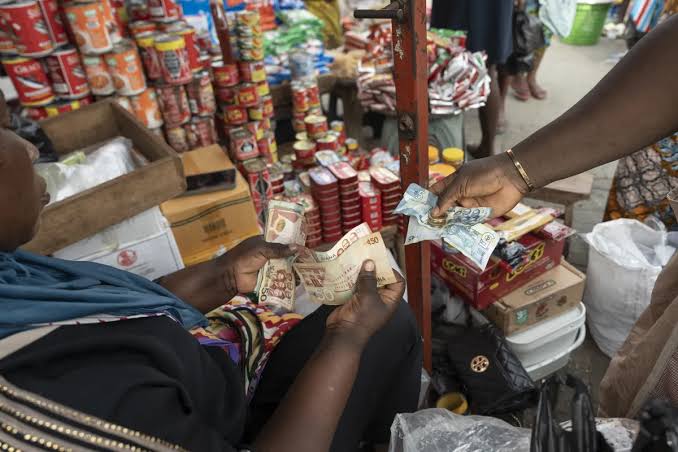
Ghana’s inflation rate climbed to 5.3% in June 2026, marking the third consecutive monthly increase and the highest annual reading since December 2025. While the figure remains far below the 13.7% recorded the same month last year, the latest data from the Ghana Statistical Service (GSS) signals renewed pressure on household budgets — with the country’s food basket a key part of the story.
What the Numbers Show
According to the GSS, headline inflation rose to 5.3% in June from 3.7% in May, even as month-on-month price growth actually slowed to 0.2%, down from 1.1% the month before. Government Statistician Dr Alhassan Iddrisu presented the figures in Accra, noting that the Consumer Price Index climbed to 270.8 in June, up from 257.3 a year earlier.
Food and non-alcoholic beverages — which carry the single largest weight in Ghana’s CPI basket at 43% — remained the biggest overall contributor to inflation, accounting for 31.5% of the headline rate. Food inflation itself rose to 3.9% in June, up from 3.3% in May, continuing a gradual upward drift after touching lows earlier in the year. Non-food inflation, however, climbed more sharply, hitting 6.3% from 4.1% in May and driving the bulk — some 68.5% — of the overall increase.
What’s Getting More Expensive at the Market
Beneath the headline numbers, some individual food items have seen eye-watering price swings. Ginger topped the inflation chart at the commodity level, with prices up 102.5% year-on-year, followed by shrimps at 90.8% and mangoes at 87.2%. On the other end, some staples actually became cheaper: kontomire (cocoyam leaves) recorded the steepest decline at -38.0%, followed by garden eggs at -33.1% and maize at -32.1% — a reminder that Ghana’s food price story is uneven, with some crops seeing gluts even as others face acute shortages.
The GSS also flagged a growing gap between locally produced and imported goods. Inflation for locally produced items rose to 6.7% in June, up from 5.0% in May, and now accounts for the overwhelming majority — about 86.6% — of headline inflation, compared to just 2.3% for imported goods. That points to domestic supply-side pressures, rather than external or import-driven costs, as the main driver of Ghana’s current price environment.
Beyond Food: Transport and Housing Add to the Squeeze
While food remains the largest single contributor to inflation because of its outsized weight in household spending, June’s sharpest swing came from transport, which rebounded from -2.8% in May to 9.1% in June — described by the GSS as the month’s “biggest mover.” Housing, water, electricity, gas, and other fuels rose 7.9%, education services climbed 8.7%, and restaurants and accommodation services increased 8.2%. Together, these non-food categories are increasingly shaping the cost-of-living conversation alongside the price of food itself.
Regional Disparities
Inflation is not being felt evenly across the country. The North East Region recorded the highest inflation rate in June at 10.2%, while the Bono East Region posted the lowest — in fact negative — inflation of -4.4%, reflecting an actual decline in average prices in that region during the period. The gap underscores how local supply conditions, transport links, and regional agricultural output can produce very different cost-of-living experiences from one part of Ghana to another.
The Bigger Picture
Despite June’s uptick, the Statistical Service was careful to stress that Ghana’s broader disinflation trend remains intact, with the current rate still less than half of what it was a year ago. Even so, the Service acknowledged that “sustained attention to non-food inflation, services, and local supply dynamics” would be critical to preserving the gains made so far.
The figures will also weigh on the Bank of Ghana as it prepares for its next monetary policy meeting. Analysts say the June rebound in inflation strengthens the case for the central bank to hold interest rates steady for now, pending clearer evidence that the recent price pressures — particularly in transport and locally produced goods — are easing rather than signalling a more sustained reversal of the disinflation trend.
What It Means for Households
For the ordinary Ghanaian shopper, the message is mixed. Overall inflation remains dramatically lower than the double-digit levels of a year ago, offering some relief after a punishing stretch of price increases. But the renewed climb in food prices — layered on top of sharper increases in transport and housing costs — means many households are likely still feeling squeezed at the market and the fuel pump, even as the macro numbers point to an economy that is, on balance, stabilising.
NsemGH will continue to monitor Ghana’s inflation trends and their impact on household cost of living in the months ahead.