Trump Imposes New Tariffs on More Than 80 Countries, Escalating Global Trade Tensions
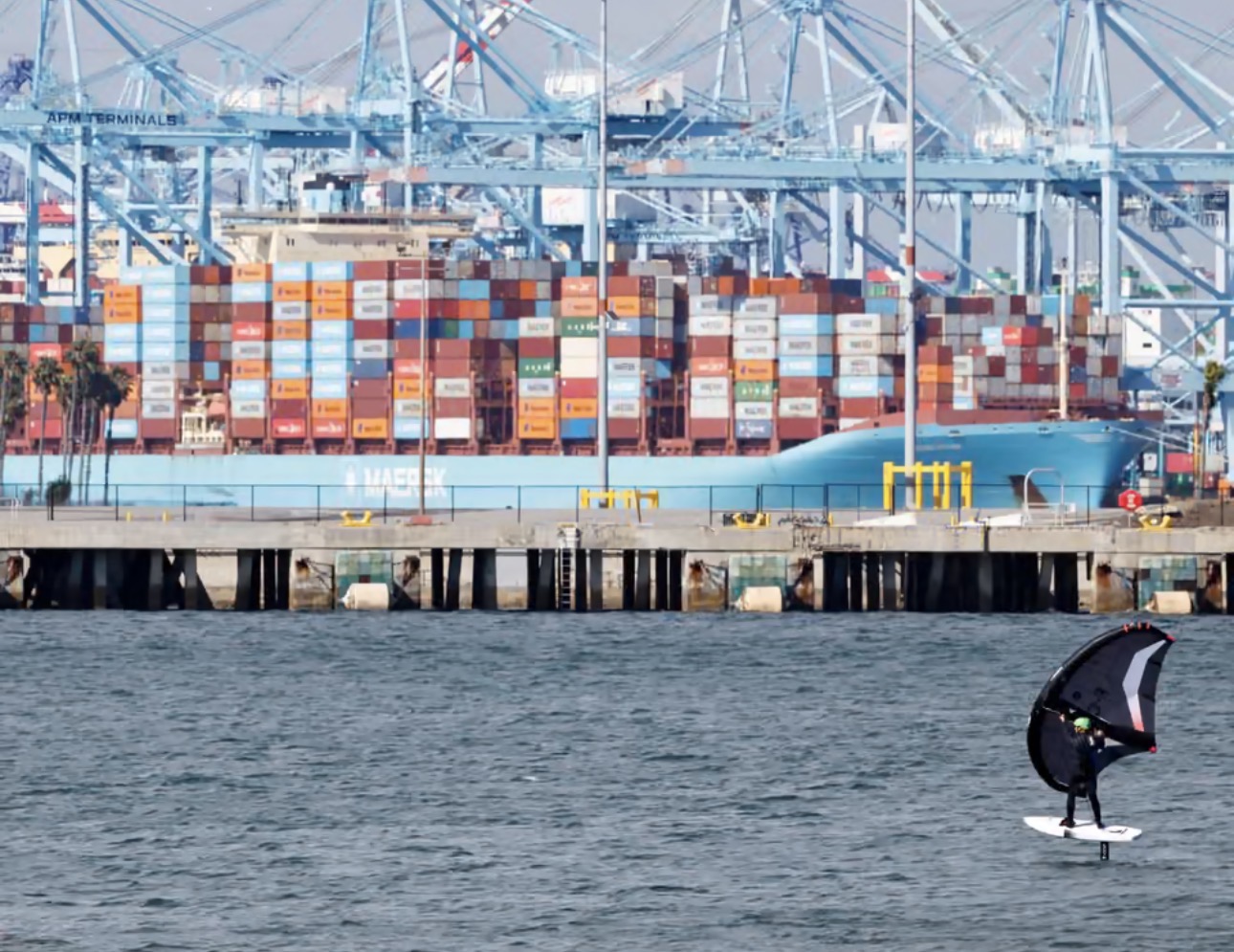
S. President Donald Trump has announced a new round of tariffs affecting more than 80 countries and territories, marking one of the most significant expansions of his administration’s trade policy and triggering concern among governments, businesses and global markets.
The new measures, which took effect on July 24, 2026, replace the temporary global tariff regime that was due to expire. The administration said the tariffs are intended to encourage trading partners to strengthen measures against goods produced through forced labour and to protect American industries from unfair trade practices.
Under the new policy, imports from affected countries will generally face tariffs ranging from 10% to 12.5%. The White House said countries that have taken stronger action against forced labour imports will be subject to the lower 10% rate, while others will face the higher 12.5% tariff. Essential imports such as certain energy products and some goods covered under existing trade agreements remain exempt.
The tariffs cover many of America’s major trading partners, including the European Union, China, Canada, Mexico, the United Kingdom, India, Australia, Japan, South Korea and Brazil, among others.
The Trump administration is relying on Section 301 of the U.S. Trade Act of 1974 as the legal basis for the tariffs. The move follows a U.S. Supreme Court ruling earlier this year that invalidated several of the administration’s previous tariffs imposed under emergency powers, prompting the White House to adopt a different legal framework.
Several affected countries have criticised the decision, warning that the new duties could disrupt global trade and increase costs for consumers and businesses. Some governments have also indicated they are considering retaliatory measures or legal challenges through international trade mechanisms.
Economists have cautioned that while the tariffs are intended to protect American manufacturing and pressure trading partners to improve labour standards, they could also lead to higher prices for imported goods and renewed uncertainty in global supply chains.
The latest action reinforces President Trump’s “America First” trade agenda and is expected to remain a major issue in international trade relations in the coming months.