Ghana Mid-Year Budget 2026: 12 Economic Wins You Need to Know
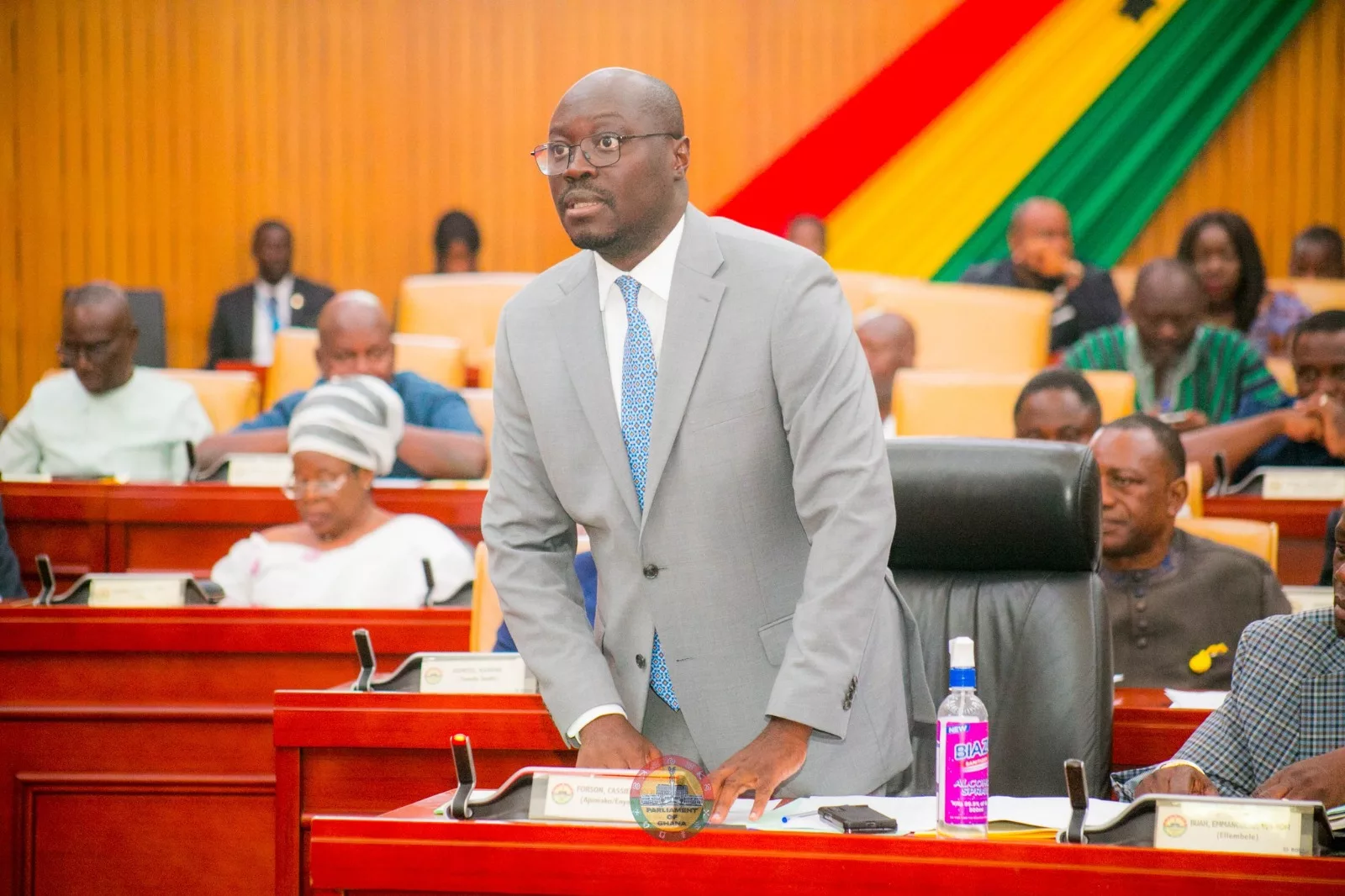
Finance Minister Dr. Cassiel Ato Forson used Thursday’s 2026 Mid-Year Budget Review to send a clear message to Parliament and the markets: Ghana’s economic recovery remains firmly on course. Six months into the fiscal year, the economy has outperformed most of the macroeconomic assumptions underpinning the 2026 Budget — and Forson chose not to revise those targets or seek a supplementary budget. Here are the 12 figures that tell the story.
- Inflation Down to 5.3%
Inflation eased to 5.3% by June 2026, down from 5.4% at the end of 2025 — comfortably inside the Bank of Ghana’s target band of 8% (±2%). It’s a sharp turnaround from the 23.8% inflation recorded in December 2024, and a sign that price pressures on households have eased considerably over the past 18 months. - Real GDP Growth Beats Target
Real GDP grew by 6.0% in 2025 — the fastest pace of expansion since 2019 — and that momentum carried into 2026, with growth reaching 6.4% in the first half of the year. Either figure comfortably clears the 4.8% growth target built into the 2026 Budget. - Non-Oil GDP Growth Even Stronger
Non-oil GDP growth reached 6.3% in the first half of 2026, well above the 4.9% projection in the budget — and builds on the 7.6% non-oil growth recorded for full-year 2025, itself the highest rate in 14 years. The numbers matter because they show Ghana’s recovery isn’t just being carried by favourable oil and commodity prices. - Reserves Cover Five Months of Imports
Gross international reserves have strengthened to cover five months of imports, far exceeding the statutory minimum target of three months — a cushion that gives the country more breathing room to absorb external shocks. - Economy Crosses $100 Billion for the First Time
Ghana’s economy has exceeded US$100 billion in size for the first time in the country’s history, a milestone Forson described as firmly establishing Ghana as a major emerging market economy. - Per Capita Income Jumps by Over $850
Average income per Ghanaian rose from $2,527 in 2024 to $3,385 by the end of 2025 — the highest level ever recorded nationally, and a jump of more than $850 in just one year. - Ghana Now Africa’s 8th-Largest Economy
Driven by that growth, Ghana is now ranked the eighth-largest economy on the African continent, according to the Finance Minister’s presentation. - Debt Target Met Years Ahead of Schedule
Ghana has already hit its statutory public debt target of 45% of GDP — down from 61.8% in 2024 — doing so ahead of both the government’s own timetable and the IMF programme schedule. - Domestic Revenue Up 12.3%
Domestic revenue collection rose by 12.3% compared to the same period in 2025, which the Finance Ministry attributes to stronger tax compliance and a broadened VAT base, rather than new taxes. - Nearly a Million Ghanaians Out of Poverty
Multidimensional poverty — which measures deprivation across education, health, living conditions, and employment — fell from 24.9% in the third quarter of 2024 to 21.9% over the same period in 2025. In real terms, that means roughly 950,000 Ghanaians moved out of multidimensional poverty in a single year. - Unemployment Falls to 12.8%
The unemployment rate declined from 13.7% in the first three quarters of 2024 to 12.8% over the same period in 2025, a sign that the growth recorded on paper is translating into actual jobs. - No Supplementary Budget Needed
Despite the raft of positive indicators, Forson said government will not revise its macroeconomic targets or come back to Parliament for supplementary budget estimates. Instead, any additional spending needs will be met by realigning expenditure within the budget already approved for 2026 — a signal, the Minister argued, that the original targets were credible in the first place rather than needing correction mid-year.
The Bigger Picture
Taken together, these figures paint a picture of an economy that has not just met its 2026 targets but exceeded most of them by comfortable margins — lower inflation, faster growth, stronger reserves, a healthier debt position, and tangible improvements in poverty and employment. Whether this translates into durable, felt improvement in ordinary household budgets over the second half of the year will be the real test of the recovery Forson described to Parliament.
Source:
nsemgh