The GH¢1 Question: How NDC’s Energy Levy Pushed Fuel Taxes to GH¢1.93 Per Litre — and Why It’s Still Controversial
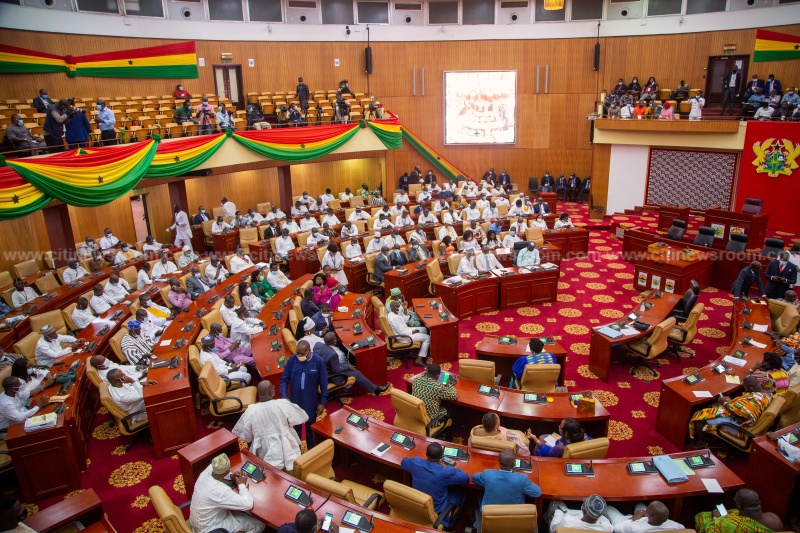
More than a year after Parliament passed the Energy Sector Levies (Amendment) Bill under a certificate of urgency, the extra GH¢1 it added to every litre of fuel sold in Ghana remains one of the most contested pieces of economic policy under the NDC government — and it’s back in the headlines as global oil price shocks put fresh pressure on pump prices.
How We Got Here
Parliament passed the Energy Sector Levy (Amendment) Bill on June 3, 2025, barely five months into the NDC administration’s term, amid a walkout in protest by the Minority. The amendment added GH¢1 per litre to the existing Energy Sector Shortfall and Debt Repayment Levy, bringing the total levy to GH¢1.95 per litre on petrol, GH¢1.93 per litre on diesel, and GH¢1.95 per litre on naphtha.
Its implementation was actually delayed once — originally scheduled for June 16, 2025, the Ghana Revenue Authority suspended the rollout to assess global market conditions before it finally took effect on July 16, 2025, under the Energy Sector Levy (Amendment) Act, 2025 (Act 1141).
Finance Minister Dr. Cassiel Ato Forson defended the levy as necessary to address what he described as a heavily indebted energy sector, with liabilities estimated at around $3.1 billion. The government projected the levy would raise roughly GH¢5.7 billion annually — climbing to about GH¢9 billion by December 2026 — to help clear legacy debts, pay independent power producers and fuel suppliers, and stabilise Ghana’s often-troubled electricity supply.
Why the Debate Hasn’t Gone Away
By March 2026, with the government reporting it had settled roughly $1.47 billion of energy sector debt over the preceding year — including repayment of a World Bank partial risk guarantee and the clearing of outstanding gas invoices — the Minority in Parliament argued the justification for the levy had evaporated. Deputy Ranking Member of the Energy Committee, Collins Adomako Mensah, called the levy’s continuation “punitive rather than policy-driven” and urged government to repeal it under a certificate of urgency, describing it pointedly as no longer serving any purpose now that the debts it was meant to address had been cleared.
The pressure intensified further when global oil markets were rattled by the US-Israel-Iran conflict earlier this year, which briefly pushed crude oil toward $100 a barrel and forced Ghana’s National Petroleum Authority to raise price floors sharply — diesel alone jumped by double-digit percentages in a single pricing window in April 2026. Government responded at the time with temporary tax relief measures, including consolidating or suspending select levies for a four-week period, though the core GH¢1 energy levy structure remained largely intact.
More recently, with crude prices climbing again amid renewed geopolitical tensions and the cedi depreciating against the dollar, the Chamber of Oil Marketing Companies (COMAC) has renewed calls for government to suspend the GH¢1 levy outright, warning that the combination of rising global prices and currency pressure represents what one industry executive called “a very big blow to the ordinary Ghanaian.”
What It Means for Motorists Today
As of the second pricing window of July 2026, price floors had already been adjusted upward — petrol rising to around GH¢13.28 per litre and diesel to roughly GH¢14.35 per litre, even before accounting for the latest round of global crude increases. With the energy levy baked into those prices at GH¢1.95 and GH¢1.93 per litre respectively, it continues to represent a meaningful, fixed slice of what motorists pay at the pump, regardless of how far global oil prices swing in either direction.
The Bottom Line
Two years into the NDC’s current term, the GH¢1 fuel levy remains one of its most contested economic decisions — defended by government as essential to fixing a genuinely indebted energy sector, and criticised by opposition lawmakers and industry players alike as an unnecessary burden now that much of that debt has reportedly been cleared. With global oil prices volatile again in 2026, pressure to scrap or suspend the levy looks unlikely to fade — even as government continues to point to the billions in revenue it has generated toward stabilising Ghana’s power sector.
Source:
nsemgh
Conversation (0)
- Be the first to share your thoughts!
You must be logged in to comment on this article.
Log In / Register