When Will Ghana’s Foreign Ministry Fight for Ordinary Ghanaians?
The United States has done it again. As part of a new pilot programme running from July through December 2026, the US Department of State is now offering B1/B2 visa applicants the option to pay an extra $750 — on top of the standard $185 application fee — just to secure an interview appointment within 10 business days, instead of waiting months. For many Ghanaians already struggling with a punishing exchange rate, that optional “skip-the-queue” fee alone is close to GH¢11,000 — and that’s before the visa is even guaranteed. Paying it doesn’t buy approval. It only buys an earlier seat in the interview room.
To be fair, this particular fee is currently piloted only at US missions in Mexico, and it remains optional rather than compulsory. But the principle it establishes — that those with deeper pockets can jump ahead of those who’ve simply been waiting their turn — sits uneasily with many, especially in countries like Ghana where visa wait times are already a source of constant frustration.
A Pattern, Not an Isolated Incident
This is part of a broader pattern that Ghanaians and other applicants across the continent have grown painfully familiar with: embassies making unilateral decisions about fees, processing times, and conditions, with little regard for how those decisions land in the countries where their consulates actually operate. Visa application fees remain non-refundable even after a refusal — a rule that applies broadly across US missions, regardless of how thin or procedural the reason for rejection might be. For an ordinary applicant, paying a substantial fee only to be turned away with nothing to show for it, and no explanation beyond a boilerplate refusal letter, understandably feels less like due process and more like a toll collected at will.
Anyone who has sat through the queues outside embassies in Accra knows the experience isn’t just about the fees. It’s the hours spent standing outside, often with no proper seating provided for applicants waiting their turn — a basic courtesy many would expect as standard, but one that rarely materialises.
Where Is Ghana’s Voice in All This?
This is precisely where an effective Foreign Ministry should be stepping in — not necessarily to change US domestic policy, which no foreign government can dictate, but to actively negotiate better treatment for Ghanaian applicants: refund considerations, better facilities at application centres, and clearer communication around fee changes that affect thousands of Ghanaian travellers, students, and business owners every year.
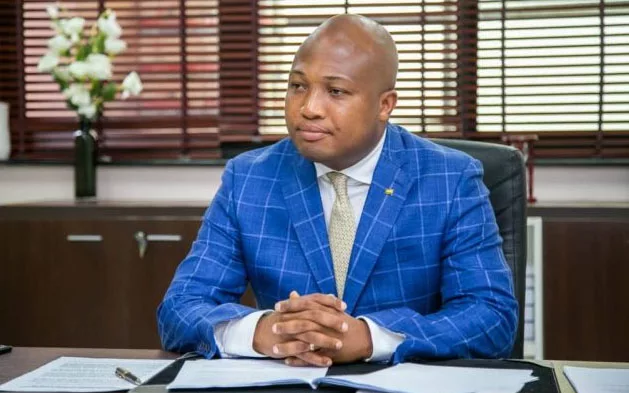
When Samuel Okudzeto Ablakwa was still in opposition as the NDC’s spokesperson on foreign affairs, he spoke often and passionately about the need to hold foreign missions accountable for how they treat Ghanaian applicants. Now nearly a year and a half into his tenure as substantive Foreign Minister, many Ghanaians who found his earlier commentary compelling are asking a fair question: what has tangibly changed for the ordinary Ghanaian visa applicant since he took office?
To be clear, this isn’t a call to romanticise the job as easy. Foreign policy is genuinely difficult terrain, and diplomatic leverage over a country as powerful as the United States is limited for any nation, let alone one navigating its own complex bilateral relationship with Washington. But leadership in this role isn’t only about grand state visits and communiqués — it’s also about the unglamorous, persistent work of pushing for better treatment of citizens in the embassies operating on Ghanaian soil.
The Bottom Line
Ghanaians deserve a Foreign Ministry that treats these everyday indignities — the fees, the queues, the lack of basic seating, the take-it-or-leave-it policy changes — as worth fighting for, not just the high-profile diplomatic wins. Whether that fight looks like formal diplomatic engagement, public advocacy, or simply consistent pressure applied behind closed doors, the measure of success should ultimately be simple: are things getting better for the Ghanaian standing in that queue, or are they not? Right now, for many, the honest answer still feels like no.
Source:
nsemgh
Conversation (0)
- Be the first to share your thoughts!
You must be logged in to comment on this article.
Log In / Register