Spain Opens Visa-Free Entry to Only 8 African Countries in 2026 — Ghana Not on the List
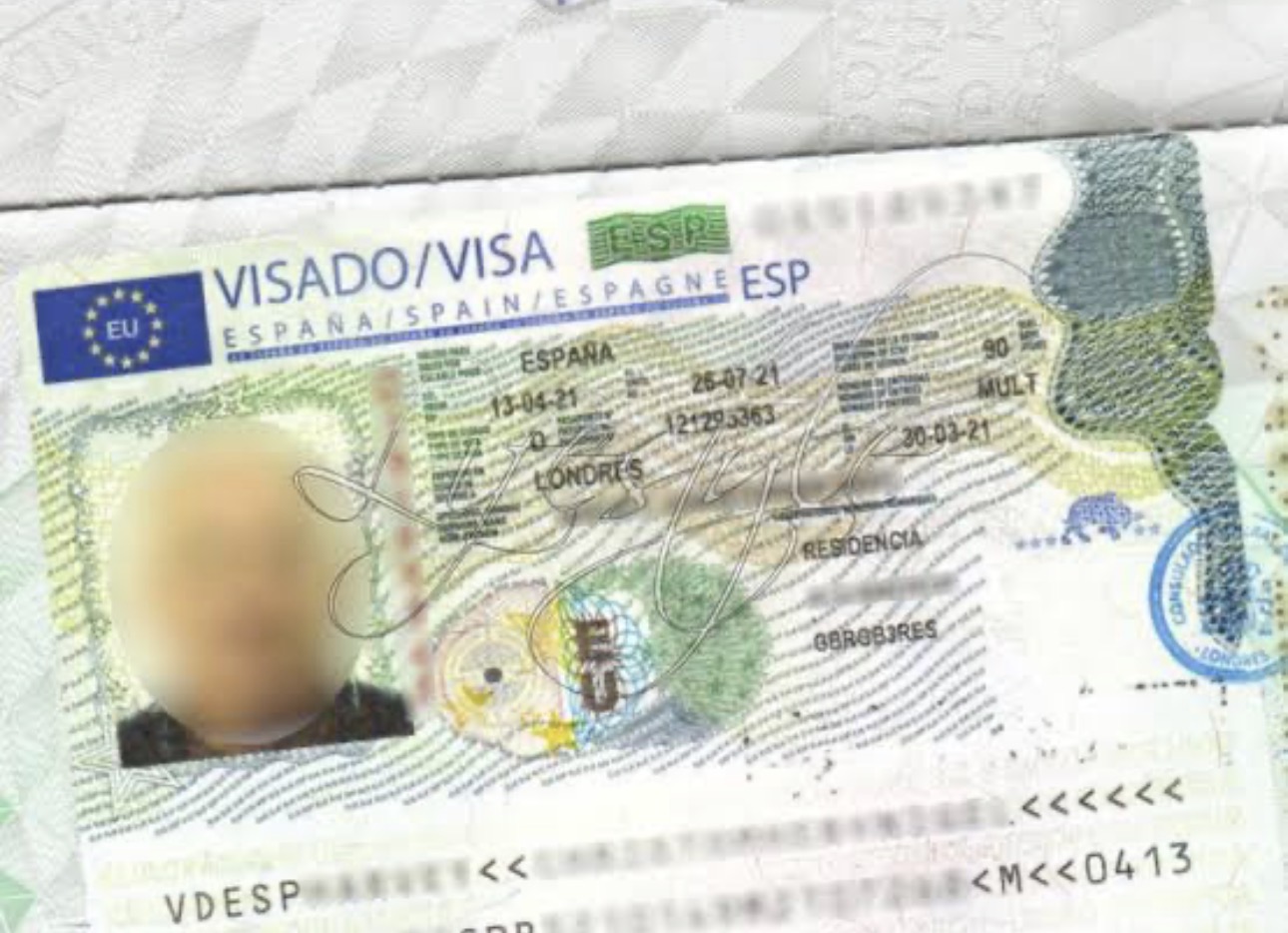
Spain has released its updated entry requirements for 2026, and the news is bittersweet for African travellers. While the country has expanded visa-free access to more than 60 nations worldwide, only eight of them are African — and Ghana is not among them.
According to Spain’s Ministry of Foreign Affairs, citizens holding ordinary passports from Botswana, Namibia, Eswatini (formerly Swaziland), Lesotho, Mauritius, Seychelles, Cape Verde and Rwanda can now travel to Spain and the wider Schengen Area without applying for a visa beforehand. The exemption took effect in April 2026 and allows stays of up to 90 days within any 180-day period, covering tourism, business trips and other short visits.
For everyone else on the continent — including Ghana, Nigeria, Kenya, Morocco, Algeria, Tunisia and Egypt — the Schengen visa remains compulsory. That means the usual routine continues: gathering supporting documents, booking an appointment, and paying the standard adult application fee of €90 before any trip to Spain can happen.
Why So Few African Countries Made the List
Spain’s decision reflects a broader pattern across Europe this year. Germany’s 2026 list includes just two African countries — Mauritius and Seychelles. Belgium’s list features the same two nations. France has opened a narrow, conditions-based exemption to its overseas territories for South Africans who already hold a valid multi-entry French visa, but that’s the only African country on its list. Across the continent, the story is largely the same: small island nations and a handful of Southern African states are getting through, while the continent’s larger economies remain locked out of visa-free travel to Europe.
Spanish authorities have advised prospective travellers to confirm the latest requirements with their nearest Spanish consulate or an authorised visa application centre, since entry policies can still change.
What It Means for Ghanaian Travellers
For Ghanaians planning to attend conferences, visit family, or explore business opportunities in Spain, nothing changes for now — the Schengen visa application process stays firmly in place. Applicants should expect to provide the standard package of supporting documents, including proof of accommodation, travel insurance, financial means, and a clear purpose of visit, well ahead of their travel dates.
As more European countries publish their 2026 travel rules, NsemGH will continue tracking which African nations gain — or miss out on — visa-free access.