Who’s Missing From the Table? Mahama’s Security Meeting Invite Sparks Concern Before Yielding a Customs Scandal
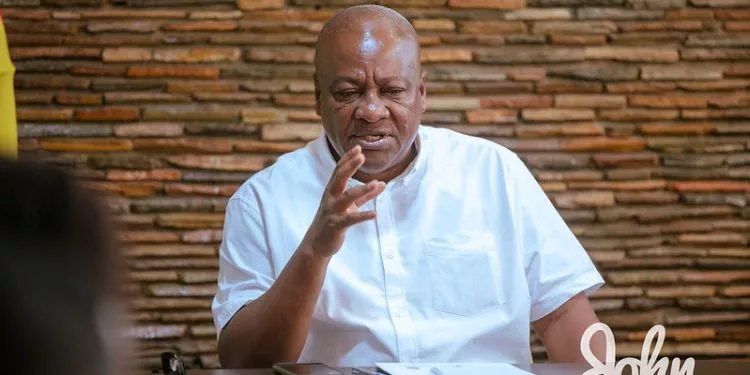
A high-level security meeting called by President John Dramani Mahama to tackle Ghana’s mounting drug trafficking crisis ran into controversy of its own before it even began — after it emerged that two of the very ministers overseeing the agencies at the centre of the crisis had initially been left off the invitation list.
The Meeting That Almost Excluded Key Ministers
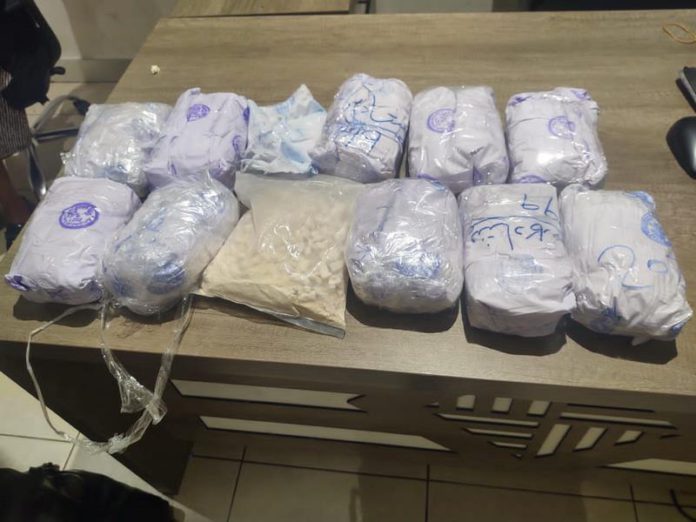
The meeting, convened for Thursday, September 17, 2026, at Jubilee House, was called in direct response to the seizure of nearly 3.9 tonnes of cocaine — worth an estimated US$261 million — by French customs officials at the Port of Dunkirk, in a container shipped from Ghana. The original invitation, issued by Secretary to the President Dr Callistus Mahama, listed a long roster of institutions: the Ghana Ports and Harbours Authority, the Customs Division of the Ghana Revenue Authority, the Ghana Shippers’ Authority, the Ghana Maritime Authority, the Ghana Navy, the National Intelligence Bureau, NACOC, Ghana Airports Company Limited, and several others.
What it didn’t include, at first, were the sector ministers directly responsible for many of those very institutions — namely the Minister for the Interior, Muntaka Mohammed-Mubarak, and the Minister for Transport, Joseph Bukari Ninkpe. Notably, the heads of agencies falling under their ministries had been invited, but the ministers themselves had not.
The Pushback
The omission didn’t go unnoticed. Akuapem North MP and NPP figure Sammi Awuku raised the issue publicly in a Facebook post on Monday, September 14, questioning why the heads of agencies responsible for Ghana’s borders, ports, aviation, and narcotics control were being convened without the ministers who oversee those very sectors sitting at the table. The criticism struck a chord, feeding into broader public unease at a moment when Ghana’s port security was already under intense scrutiny following the Dunkirk seizure and its links to a fugitive international drug trafficker.
The Presidency moved to correct course. A revised invitation, also dated September 14 and signed once again by Dr Callistus Mahama, added the Interior and Transport Ministers to the list, alongside the Comptroller-General of the Ghana Immigration Service. The corrected invitation retained the original agenda but tightened attendance rules, requiring each institution to be represented by its head, accompanied by no more than one relevant technical officer.
What Actually Happened at the Meeting
When the meeting convened as rescheduled, President Mahama chaired proceedings personally and received a detailed briefing on the ongoing investigations into drug trafficking through Ghana’s ports. The briefing revealed a striking detail: ten individuals were already being held in connection with the investigations — including four officers from the Customs Division of the Ghana Revenue Authority (GRA) itself, a detail that raises uncomfortable questions about potential insider facilitation within the very agency meant to be guarding against smuggling.
The meeting reviewed Ghana’s existing border security architecture and identified areas requiring new intervention. In response, President Mahama directed the formation of an inter-agency task force, tasked with presenting a detailed roadmap on measures to prevent narcotics trafficking through Ghana’s borders — with a two-week deadline to deliver it.
Why the Concern Matters
The initial exclusion of the Interior and Transport Ministers may have been a drafting oversight rather than a deliberate snub, but the episode nonetheless touched a nerve at a sensitive moment. With Ghana’s port security already facing international scrutiny — and with customs officers themselves now among those detained — questions about who is being consulted, and how seriously government is treating the coordination between political leadership and the agencies on the ground, carry real weight. For a security response to be credible, the ministers constitutionally accountable for these sectors arguably need to be central to the conversation from the outset, not added after public pressure.
The Bottom Line
What began as a bureaucratic misstep in an invitation list quickly became a window into a much larger problem: a customs and border security apparatus now under direct investigation, with its own officers implicated. The revised invitation may have resolved the immediate political embarrassment, but the harder test lies ahead — whether the inter-agency task force’s roadmap, due within two weeks of the meeting, translates into the kind of systemic reform capable of restoring public and international confidence in Ghana’s border controls.
Source:
nsemgh
Conversation (0)
- Drop your opinion below.
You must be logged in to comment on this article.
Log In / Register