US FDA Approves New Drug for Life-Threatening Kidney Disease
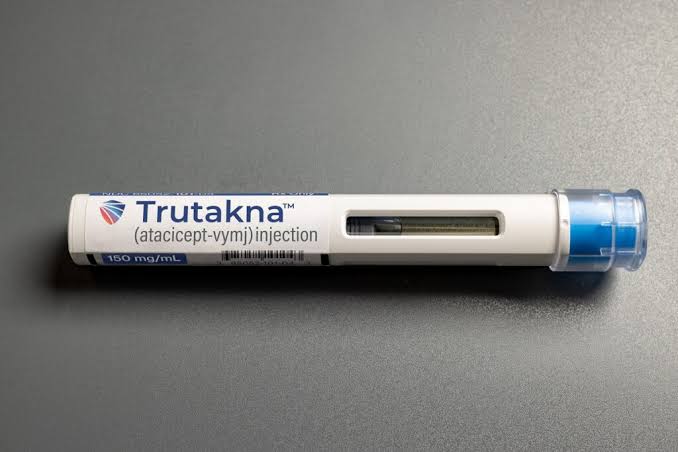
The US Food and Drug Administration (FDA) has approved a new treatment for a serious autoimmune kidney disease, marking the latest advance in what has become an increasingly competitive race among drugmakers to treat the condition.
What Was Approved
On July 7, 2026, the FDA granted accelerated approval to TRUTAKNA (atacicept-vymj), developed by California-based biotech company Vera Therapeutics, to reduce protein leakage into the urine — known as proteinuria — in adults with primary IgA nephropathy who are at risk of their disease worsening. News of the approval sent Vera Therapeutics’ shares up nearly 7% in afternoon trading.
IgA nephropathy, also known as Berger’s disease, is an immune-mediated kidney disease in which abnormal antibodies build up in the kidneys, gradually damaging their ability to filter waste from the blood. Left unchecked, it can progress to kidney failure, requiring dialysis or a transplant. Vera Therapeutics estimates roughly 160,000 people in the United States live with the condition, and it is considered one of the leading causes of chronic kidney disease worldwide.
How the Drug Works
TRUTAKNA is notable for being the first and only approved therapy that simultaneously blocks two immune-system proteins — known as BAFF and APRIL — which drive the production of the disease-causing antibodies behind IgA nephropathy and several other autoimmune disorders. The drug is delivered as a once-weekly, 150-milligram injection that patients can administer themselves at home using an autoinjector, similar to insulin pens used by diabetes patients.
The Evidence Behind the Approval
The approval rests on results from the ongoing Phase 3 ORIGIN 3 trial, which enrolled 431 adults with biopsy-confirmed IgA nephropathy at sites around the world. In a pre-planned interim analysis of the first 203 participants, patients treated with the drug saw a 46% reduction in urine protein levels from their starting point, and a 42% reduction compared with those on a placebo, after 36 weeks of treatment — a difference researchers described as statistically strong and clinically meaningful.
Because this is an accelerated approval, its continuation depends on confirming a real clinical benefit through a separate measure of kidney function called estimated glomerular filtration rate, or eGFR. That confirmatory data was originally expected in 2027, but Vera Therapeutics says it has worked with the FDA to move the timeline forward, with results now expected in the third quarter of 2026. Vera’s Chief Executive, Marshall Fordyce, said the company pushed for the earlier assessment because patients at high risk of disease progression cannot afford to wait years while their condition worsens.
On safety, the most common side effects reported in the trial were infections and reactions at the injection site, occurring somewhat more often in patients taking the drug than those on placebo.
A Crowded and Fast-Moving Field
TRUTAKNA’s approval places it in direct competition with Otsuka Pharmaceutical, which brought a similar medication targeting the same disease to market the previous year. Several other drugmakers have also been racing to develop treatments that target the specific immune pathways driving IgA nephropathy, reflecting how much interest — and investment — has poured into this once poorly-served area of kidney medicine in recent years.
Vera Therapeutics has said it intends to pursue the drug’s use in wider IgA nephropathy patient groups and other autoimmune kidney conditions, including membranous nephropathy and focal segmental glomerulosclerosis, suggesting this approval may be only the first of several milestones for the treatment.
Why It Matters
Kidney disease remains a significant and growing health burden globally, including across Africa, where late diagnosis and limited access to dialysis and transplant services often make prevention and early intervention especially critical. While TRUTAKNA’s approval and rollout are currently limited to the US market, its emergence adds to a broader wave of new treatments targeting the underlying immune drivers of kidney disease — offering hope that more effective, targeted therapies may eventually become more widely available to patients elsewhere in the world.
Source:
Nsemgh