Govt faces mounting pressure to spend after IMF exit — Joe Jackson
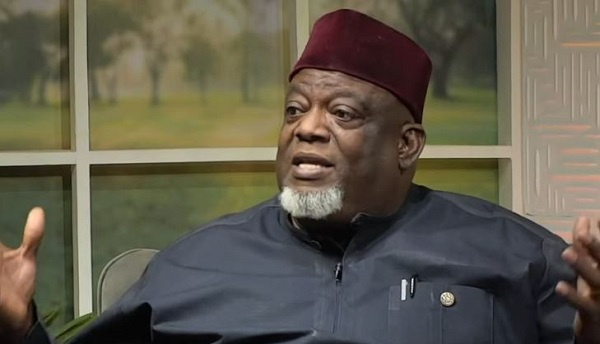
The Chief Executive Officer of Dalex Finance, Joe Jackson, has warned that Ghana could face renewed fiscal pressure after exiting the International Monetary Fund (IMF)-supported bailout programme, cautioning that government spending could spiral without continued external oversight.
Speaking on The Big Issue on Saturday, May 16, Mr Jackson said the government’s decision to transition from the IMF’s Extended Credit Facility (ECF) programme to a non-financing Policy Coordination Instrument (PCI) arrangement reflects concerns about maintaining fiscal discipline after the bailout period.
“In my opinion, my interpretation of what has happened. You see, there’s going to be a lot of pressure on the government to spend. A lot of pressure, horrendous amount of pressure,” he said.
He argued that although Ghana has formally concluded the IMF bailout programme, the decision to retain a policy support arrangement with the Fund suggests authorities still consider IMF oversight necessary to maintain investor confidence and restrain excessive spending pressures.
“All the government is doing is that, don’t let the IMF go away completely,” he stated.
Mr Jackson further noted that maintaining a working relationship with the IMF could help Ghana secure favourable perceptions from international credit rating agencies and reduce borrowing costs.
“When the rating agencies look at us, and having the IMF in the background to confirm that you’re doing the right thing, will actually save us money,” he added.
His comments come after the Government of Ghana announced the successful conclusion of the country’s Extended Credit Facility programme with the IMF, marking Ghana’s planned transition away from direct bailout support.
In a statement issued by Presidential Spokesperson and Minister for Government Communications, Felix Kwakye Ofosu, the government said the programme’s conclusion reflects the restoration of macroeconomic stability and progress towards debt sustainability ahead of schedule.
According to the statement, the turnaround followed a series of aggressive fiscal and structural reforms implemented after setbacks experienced at the end of 2024.
Government further announced that Ghana would now engage the IMF through a Policy Coordination Instrument, a non-financing arrangement intended to provide technical support, policy coordination and market confidence without direct financial disbursement.
The PCI framework is expected to allow Ghana to maintain policy credibility with international investors and financial institutions while pursuing post-bailout economic recovery efforts.