BoG Injects $2.01bn Into Forex Market as Cedi Records First Monthly Gain of 2026
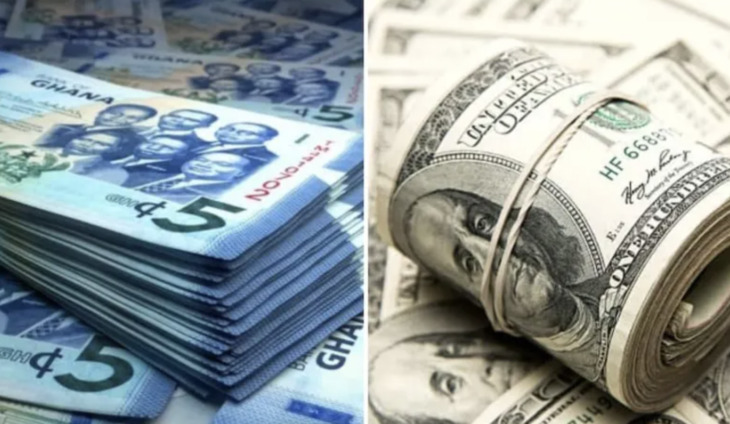
The Bank of Ghana (BoG) pumped US$2.01 billion into the foreign exchange market in June 2026 to meet surging dollar demand and support the cedi — a push that appears to have paid off, with the local currency posting its first monthly gain of the year.
Where the Money Went
Information obtained by JoyBusiness indicates the central bank sold US$1.2 billion through its Forex Intermediation Programme, with auctions conducted twice a week throughout June, in line with the Bank’s monthly auction target. Demand, however, far outstripped supply — commercial banks submitted bids totalling US$3.42 billion, underscoring just how strong appetite for dollars remained during the month. The June programme was executed under the Domestic Gold Exchange Programme, which channels gold-backed reserves into the forex market.
On top of that, the Bank of Ghana supplied a further US$811 million through its FX Intervention Programme, a separate tool specifically designed to dampen exchange rate volatility whenever it flares up. Combined, the two programmes account for the full US$2.01 billion injected during the month.
Why Demand Was So High
Sources told JoyBusiness that dollar demand remained exceptionally elevated in June, driven by businesses restocking inventories and higher global crude oil prices, which pushed Ghana’s import bill above earlier projections. That pressure had already been building through the first half of the year — the cedi has depreciated by 7.9% against the dollar between January and July 2026, even after accounting for June’s rebound.
A Turning Point for the Cedi
Despite that year-to-date decline, June’s heavier market support appears to have significantly slowed the pace of depreciation after months of sustained pressure. The improved performance marks the cedi’s first monthly gain of 2026, offering some relief to businesses and households after a difficult opening half of the year.
What Comes Next
Notably, the Bank of Ghana has pencilled in a smaller auction target for July — planning to sell US$1 billion through its Forex Intermediation Programme, down from the US$1.2 billion sold in June. It remains unclear exactly why the Bank has trimmed the target, though market analysts believe the cedi’s improved performance may have influenced the decision. Data reviewed by JoyBusiness suggests that the intense pressure on the currency seen in the first quarter of the year may now be easing as dollar demand begins to slow.
The Bank of Ghana has said it remains committed to transparency and will continue disclosing relevant information on its foreign exchange market operations, including activities under the FX Intermediation Programme.
The Bigger Picture
June’s intervention builds on a much larger pattern of central bank support for the cedi over the past 18 months. The BoG injected close to US$10 billion into the forex market in 2025 alone, funded largely through its Domestic Gold Purchase Programme, which was significantly boosted by rising global gold prices. That sustained support helped the cedi post double-digit gains against the dollar at points in 2025, though the currency came under renewed pressure in the opening months of 2026 before June’s rebound.
Economists have described 2026 as something of a “bridge year” for Ghana’s economy, with inflation collapsing from over 50% at the height of the 2022 crisis to single digits, debt-to-GDP falling to 45.3% at the end of 2025, and the IMF’s Extended Credit Facility programme continuing to unlock disbursements tied to Ghana meeting its fiscal targets. The central bank has framed its gold-backed forex reserves as a deliberate “dollar shield” — a buffer intended to protect the cedi against future external shocks.
What It Means for Ordinary Ghanaians
For everyday households and businesses, a steadier cedi means more predictable prices for imported goods, fuel, and raw materials — all of which feed directly into the cost of living. While June’s gain is a welcome signal, the central bank’s own data shows the currency remains down significantly for the year as a whole, meaning many Ghanaians are likely to continue feeling the effects of the earlier depreciation even as the exchange rate stabilises.
NsemGH will continue to track the cedi’s performance and the Bank of Ghana’s forex market interventions in the months ahead.